
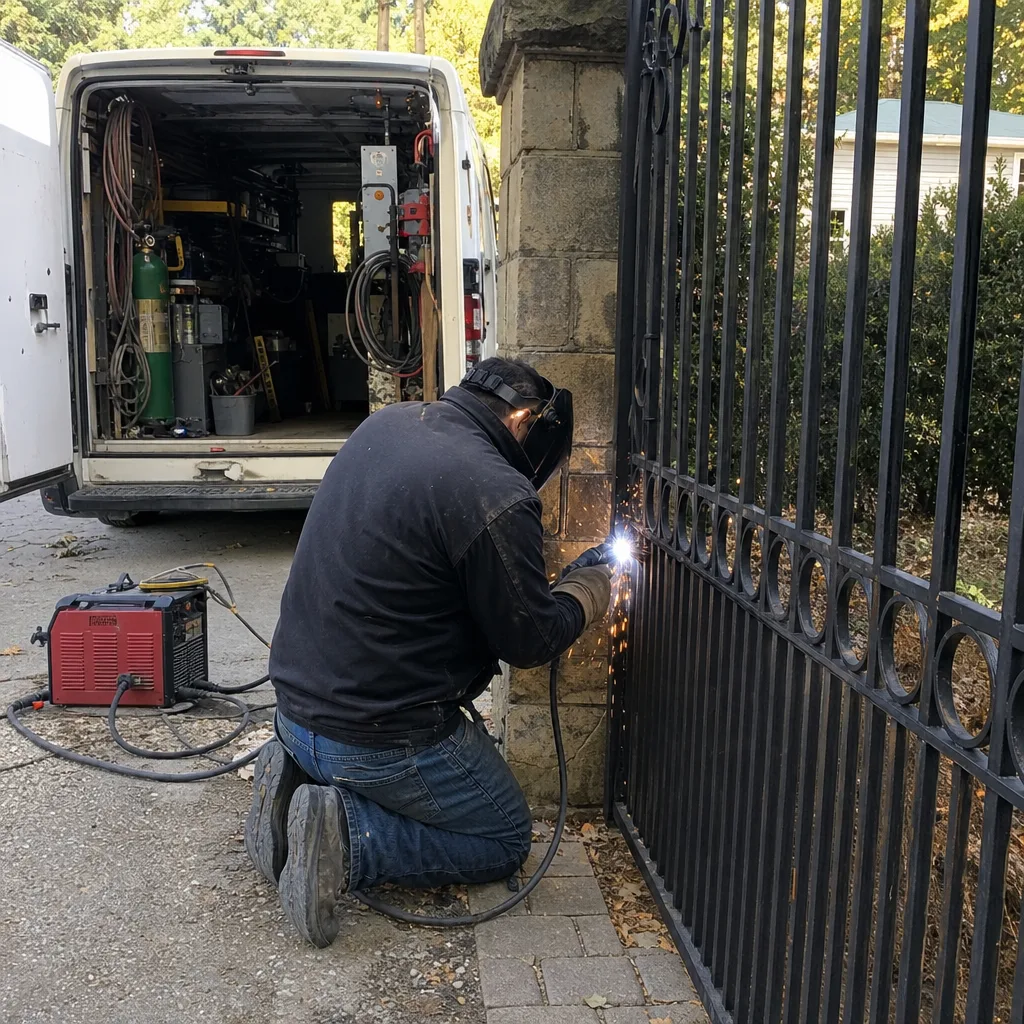
Last updated November 15, 2026
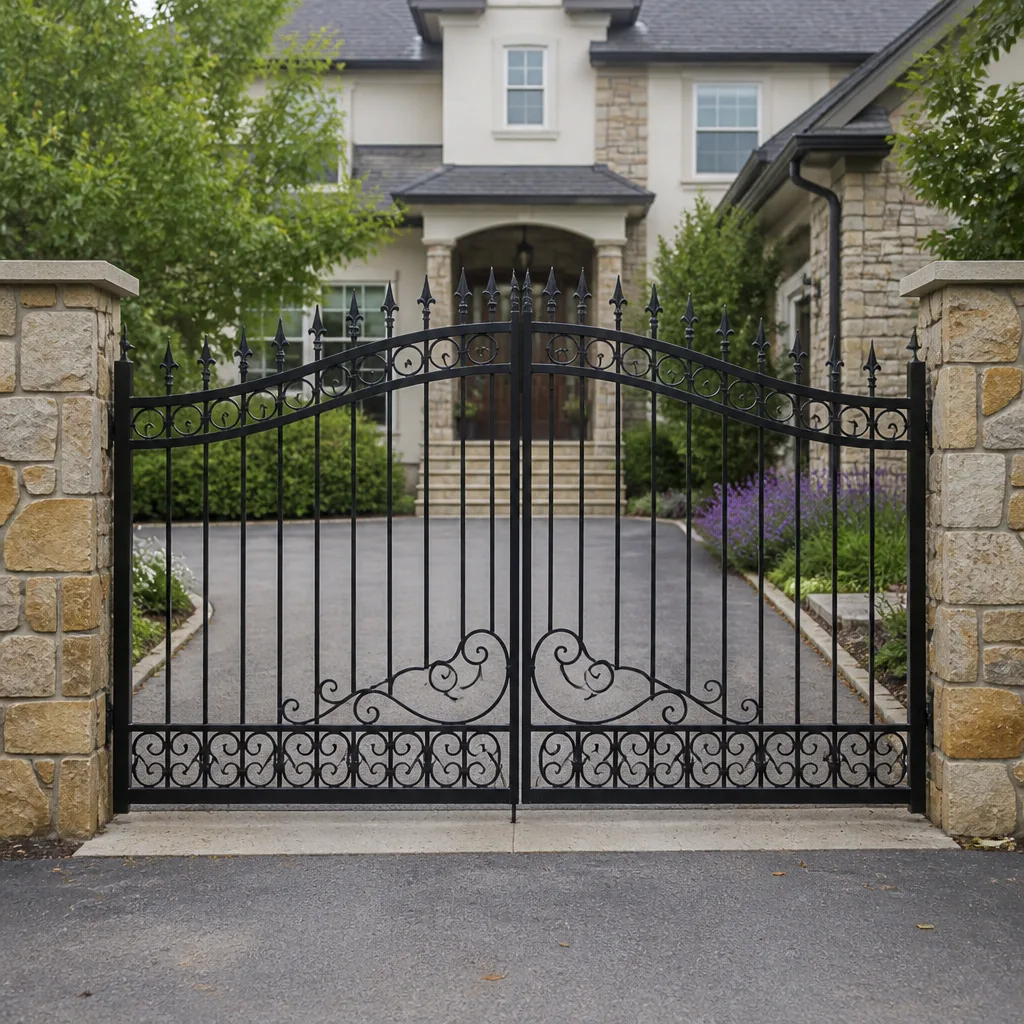 Wrought iron
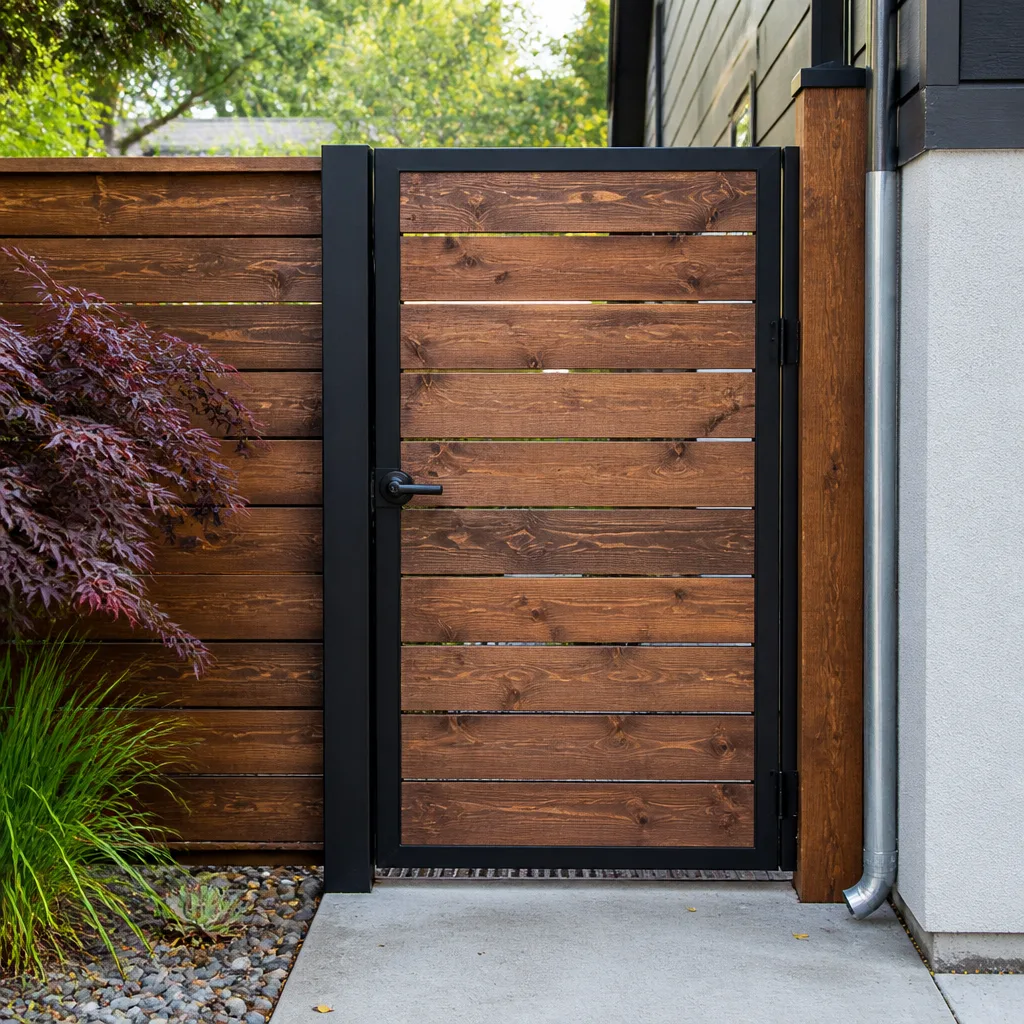 Wood & steel frame
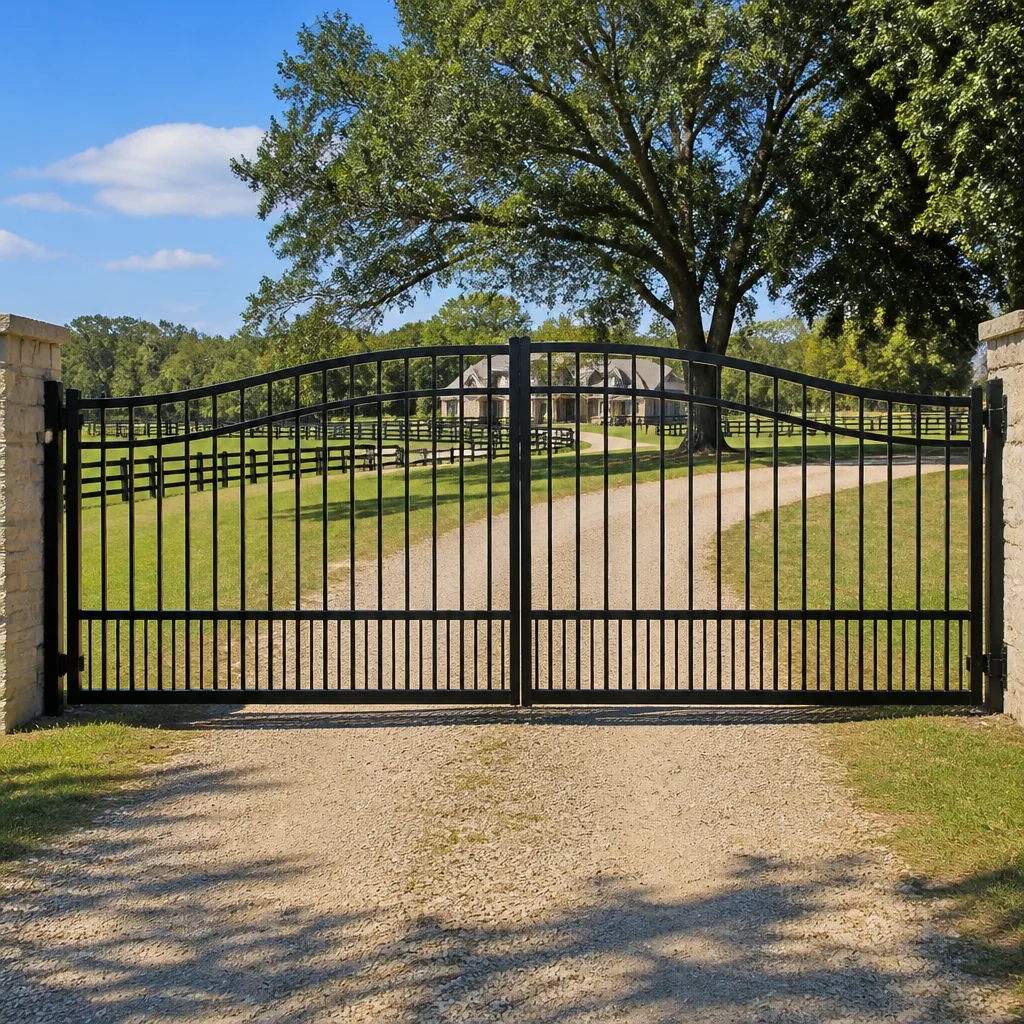 Farm & ranch
 Sliding driveway gates
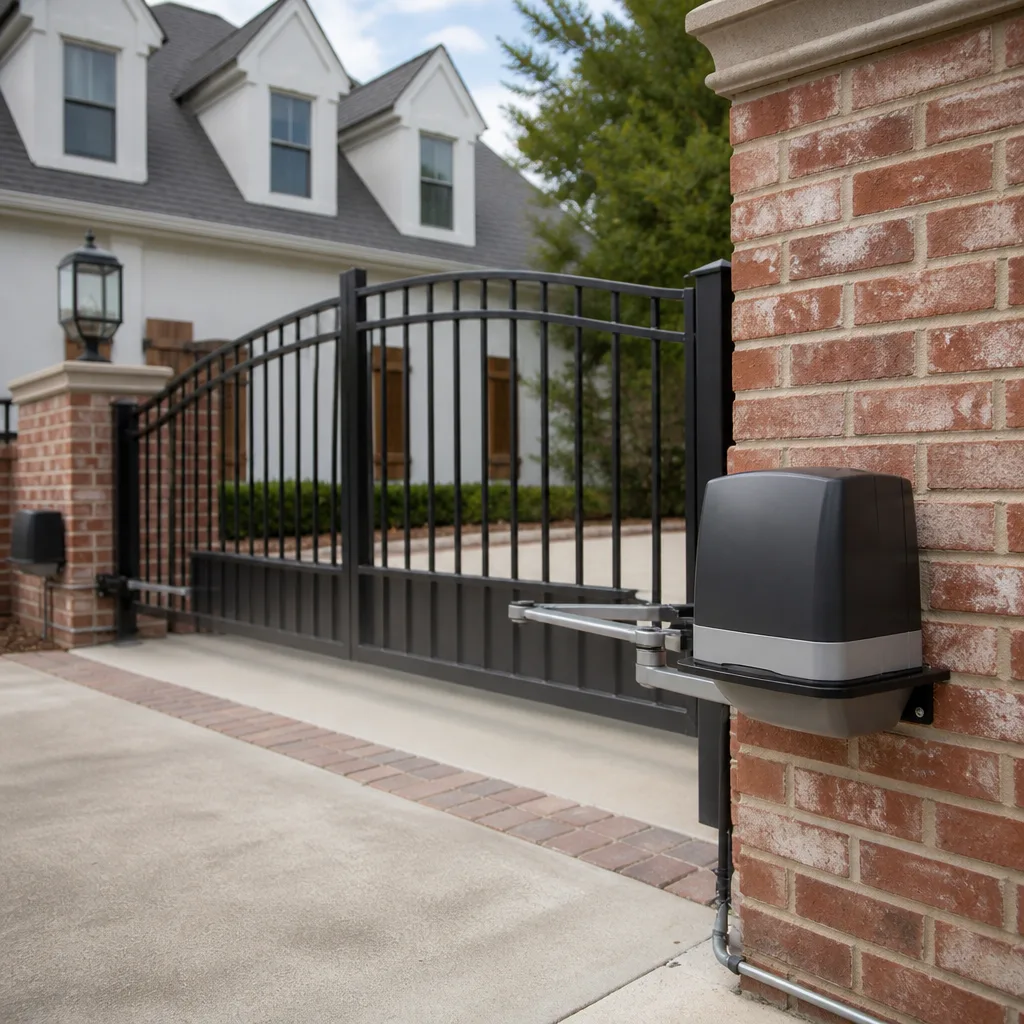 LiftMaster operators
Free on-site gate assessment - hinges, posts, and your LiftMaster or Nice gate operator checked before anything is quoted
The assessment is free and the quote is the invoice.
Get your free estimateHow to Hire a Gate Repair Contractor in Arlington: A Step-by-Step Guide
A fence company quoting your gate repair and a gate specialist quoting it will often look at completely different things. One checks the visible hardware, the sagging hinge, the latch that won’t catch. The other checks the control board, the loop detector, the entrapment protection, the voltage at the operator. The quotes will reflect that gap, and so will the results. In Arlington, the biggest hiring mistake isn’t skipping a background check. It’s hiring a generalist who treats gate repair as a side service and misdiagnoses the system. This guide gives you the specific questions and vetting steps that separate dedicated gate specialists from everyone else.
Quick Answer
Hire a dedicated gate contractor who inspects the gate on-site, names the specific operator brand and model, and quotes line items for the motor, controls, and safety hardware rather than a vague lump sum for “labor and parts.” In Arlington, ask about UL 325 entrapment protection and low-voltage electrical experience, because those two answers separate a gate specialist from a fence or garage door company that dabbles. Verify licensing and insurance before anyone touches the wiring, and never accept a firm quote given over the phone without an inspection.
Styles & brands we work with
- Wrought iron
- Wood & steel frame
- Farm & ranch
- Sliding driveway gates
- LiftMaster operators
Table of Contents
- Why a Gate Specialist Beats a Generalist
- The Five Technical Questions to Ask Before You Hire
- Licensing, Insurance, and What They Don’t Tell You
- How to Read and Compare Gate Repair Quotes
- Why You Should Never Accept a Quote Without an On-Site Inspection
- Red Flags Specific to the Arlington Market
- How to Verify Insurance for Electric Gate Work
- Repair, Replace, or Maintain: Deciding What Your Gate Needs
Why a Gate Specialist Beats a Generalist in Arlington
An automated gate is three systems wearing one coat of paint. There’s the mechanical structure (posts, hinges, the gate leaf itself), the operator (motor, gearbox, limit switches), and the controls (control board, receivers, safety sensors, access hardware). A fence crew knows the mechanical part. A garage door technician knows the motor family. Neither is trained on all three, and on an electric gate those three systems talk to each other constantly. A symptom that looks mechanical – a gate that stops halfway – is often a control board fault or a misaligned safety edge.
Arlington properties make this especially clear. The area’s mix of older brick colonials, mid-century splits, and newer infill construction means a single street can hold three entirely different gate vintages. A driveway gate on an older property might run a Linear operator that’s been patched a dozen times. Two doors down, a newer build could have a Ghost Controls system with a smart controller. A multi-unit property might run a heavy commercial DoorKing slide gate. The diagnosis has to start with the actual brand and model in front of the technician, not a best guess.
In our experience, generalists work from pattern recognition. They’ve seen a hundred garage doors and they apply that logic to your gate. When the pattern doesn’t fit, they start replacing parts to see what sticks, and you pay for the guessing. A specialist recognizes your specific system and the failure modes common to it. That’s the whole game. It’s also why you’ll read below that the first technical question to ask any contractor is the simplest one: what’s on my gate right now? If they can’t name the brand, you’ve learned everything you need to know.
None of this is about gate repair being complex for its own sake. It’s about diagnosis. A misdiagnosed control board gets replaced, the gate still doesn’t work, and now you’ve paid for a board you didn’t need. The right technician is the one whose first move is to read the system, not to quote a part.
The Five Technical Questions to Ask Before You Hire
Ask these before you sign anything. A dedicated gate contractor answers them in plain language. A generalist deflects, guesses, or tells you the brand doesn’t matter. It does.
- What operator brand and model is on my gate? A specialist will walk to the gate, find the operator housing, and read the label. LiftMaster, Viking, DoorKing, Elite, FAAC, BFT, Linear, Ghost Controls, and Mighty Mule all have distinct parts catalogs, wiring diagrams, and failure patterns. If the contractor can’t name what’s on your gate after looking, that’s your first signal.
- How do you test UL 325 entrapment protection? UL 325 is the safety standard that governs automated gate operators, and it requires that a gate reverse or stop when it detects an obstruction. The contractor should be able to tell you how they check the safety edges, photo eyes, and any loop detectors, and whether your system currently complies. If UL 325 draws a blank stare, the person has not been trained on automated gates.
- Is the operator high-voltage or low-voltage, and who handles the power run? Most residential operators are low-voltage at the control side, but the transformer feed, the disconnect, and the power run come from line voltage. Ask who does that work and how it’s permitted. This is a safety boundary, not a place to save money on labor.
- Can you show me the diagnostic you ran before quoting? A real diagnosis includes voltage at the operator, continuity on the sensor circuit, and a limit-switch check. A quote with no diagnostic behind it is a guess dressed as a price.
- What happens if the part you replace doesn’t fix it? Every reputable contractor has a policy here, in writing. The answer tells you whether they understand their own responsibility for the diagnosis.
That second question is the fastest filter you have. UL 325 compliance is a testable, verifiable standard, and it separates anyone who actually works on automated gates from anyone who has watched a gate move. You don’t need to know the standard yourself. You only need to notice whether they do.
Licensing, Insurance, and What They Don’t Tell You
Virginia requires contractors to be licensed, and a license is a floor, not a ceiling. The tricky part with electric gates is that the general contractor license classifications and the electrical work don’t perfectly line up. A licensed home-improvement or specialty contractor can install your gate posts and hang the leaf. But the wiring that connects your operator to the power supply and the safety devices is electrical work, and it should be done by someone who is actually qualified to do it. That might be a licensed electrician on the same job, or a gate contractor whose technicians are trained and supervised on low-voltage systems. What it should never be is whoever’s available on a Friday.
There’s another gap that catches Arlington homeowners. A commercial building’s gate work often goes through a licensed electrical contractor who subcontracts the gate portion. That’s fine on paper, but the sub doing the low-voltage work is not always licensed for it, and the homeowner never learns. When you hire a gate specialist directly, you can ask exactly who is doing the electrical portion, and you can verify that person’s qualifications before they start.
Here’s what to verify for any electric gate job:
- State contractor license: Ask for the license number and confirm it’s active. Don’t take a business card as proof.
- Who performs the electrical portion: Get the name of the person and their qualification. If it’s a subcontractor, that person’s credentials matter too.
- General liability insurance: Ask for a certificate and confirm the limits. This covers damage to your property.
- Workers’ compensation: This covers injury to the workers. If your contractor can’t produce it, those costs could land on you.
- Low-voltage electrical coverage: Not every general liability policy covers low-voltage electrical work. Ask specifically whether the policy covers the electrical scope the job requires.
General liability alone isn’t enough for electric gate work because a policy can exclude the very electrical task you’re hiring for. If the gate operator wiring is excluded, you’re exposed. Ask the contractor to confirm, in writing, that their policy covers the electrical scope of the job. A specialist can do that. A generalist often can’t, because they’ve never had to ask.
If you want a straight answer on what a proper inspection and diagnostic look like, our gate repair service page lays out the process step by step. The point isn’t to sell you on us. It’s that a technician who knows which questions to ask about licensing and scope is the same one who knows which questions to ask about your system.
How to Read and Compare Gate Repair Quotes
A quote is a reflection of a diagnosis. Good quotes are specific, itemized, and boring. Bad quotes are short, vague, and confident. The most common vague phrase you’ll see is “labor and parts,” and it should make you suspicious. It means the contractor hasn’t decided what the repair is, hasn’t identified the part, and is pricing a category rather than a job. If they don’t know what’s wrong, they can’t know what it costs.
Here’s what should appear on any gate repair quote you’re asked to sign:
- The operator brand and model as identified on-site. This confirms the diagnosis started with the actual equipment.
- The specific part or component being replaced, with a part number if possible.
- Diagnostic work performed – what was tested, and what result pointed to the fault.
- Labor broken out from parts, not bundled into one number.
- Any electrical work itemized separately, with the person or company responsible named.
- Safety device testing listed as a line item, not assumed. UL 325 checks should be explicit.
- What is not included and what would change the price. A real quote tells you its own limits.
Prices are estimates until the written quote is issued, and the written quote is what sets the final price. That’s the standard we hold ourselves to, and you should require it of anyone. If a contractor gives you a firm number before inspecting the gate, they’re not diagnosing. They’re guessing, and the guess protects them, not you.
When you compare two quotes side by side, compare the diagnoses, not just the totals. If one contractor says “control board” and the other says “safety sensor,” you have two different theories of the problem. Picking the cheaper one before you know which diagnosis is right is a coin flip. The more detailed quote is usually the more honest one, even when it’s the higher one.
| What you should see | What it signals |
|---|---|
| Brand and model named | On-site identification happened |
| Specific part with number | Diagnosis, not guesswork |
| Electrical work itemized | Scope is understood and insured |
| Safety testing listed | UL 325 awareness, professional standard |
| Exclusions stated | Transparency about price boundaries |
Why You Should Never Accept a Quote Without an On-Site Inspection
An automated gate can fail for a dozen reasons that all sound the same on the phone. “It opens but won’t close” could be a bad photo eye, a misaligned safety edge, a control board relay, a limit switch, or a power issue. Each has a different repair and a different cost. A contractor who quotes over the phone is quoting a symptom, and symptoms are the least reliable information in the business.
An on-site inspection is where the diagnosis actually happens. What a proper inspection should include:
- Observation of the gate in motion – opening, closing, reversing, any hesitation or stutter.
- Operator identification – reading the brand and model plate on the motor housing.
- Control board and wiring review – checking for corrosion, loose terminals, burnt relays, or board faults.
- Safety device testing – testing the photo eyes, safety edges, and loop detectors for proper response.
- Structural check – posts, hinges, rollers, tracks, and the gate leaf itself for alignment and wear that affects the operator.
- Power supply check – verifying the voltage feed and the disconnect are in working order.
That whole sequence takes a competent technician a while. If someone offers a firm quote in five minutes, they’ve skipped most of it. In Arlington’s older neighborhoods, we often find a gate that’s been through three generations of operators, so the age mismatch between the gate structure and the motor is part of the diagnosis. A gate designed for a light residential opener, running a heavier commercial unit, will wear differently. Only an inspection catches that.
Ask the contractor to walk you through what they checked. A specialist can. A generalist will give you a story about the motor being “tired.” That’s not a diagnosis. It’s a guess with better vocabulary.
Red Flags Specific to the Arlington Market
Arlington is a dense, competitive service market, and that produces some specific warning signs. The general ones apply anywhere: no written quote, no insurance, pressure to decide now. These are the local ones worth watching for.
- A quote given before anyone looks at the gate. Phone quotes are common in this market because the volume is high. But a gate diagnosis is physical, and a phone quote is a placeholder that changes once they arrive. Ask for an inspection first.
- The contractor can’t name the operator brand. On an Arlington gate, the brand tells you the parts catalog, the wiring diagram, and the failure patterns. A contractor who says “the brand doesn’t matter” has not worked on enough gates to understand the difference between a DoorKing slide gate and a Light-duty residential swing operator.
- Unlicensed subcontractors. With tight competition, it’s tempting to use day labor on the low-voltage side. Ask who will physically be at your property and verify their credentials. A licensed company that sends an unlicensed sub has not solved your problem.
- Bait-and-replace quotes. The phone price is one number, the invoice is another. Ask for the written quote, review the line items, and confirm that the written quote is the final price before work starts.
- “We do gates and fences and garage doors.” A full-service contractor isn’t automatically a bad choice, but gate work is where generalists misdiagnose most often. If gate repair is one of six trades on the van, ask the specific technical questions in this guide.
- No safety device discussion. Any automated gate has entrapment protection, and any qualified contractor will mention it. If they don’t, they either don’t know or don’t care.
- No-talk policies. A contractor who won’t explain the diagnosis or answer questions is telling you something about how they’ll handle a warranty issue later.
In our experience, the Arlington clients who get misdiagnosed were usually the ones who didn’t know the right questions to ask, not the ones who picked the wrong price. The questions in this guide are your defense. Use them before the technician starts, not after.
How to Verify Insurance for Electric Gate Work
Every licensed contractor should carry general liability insurance. That covers property damage and third-party injury, and you should ask for a certificate before any work begins. But general liability is not the whole story for an electric gate, and this is where homeowners get caught off guard.
A standard general liability policy can exclude electrical work, or can exclude low-voltage electrical work specifically. If your gate operator’s wiring is in scope and the contractor’s policy doesn’t cover that scope, then an injury or a fire on that portion of the work may not be covered. The gate is still repaired. The insurance isn’t there. That’s the gap you’re trying to close.
Here’s how to verify what you actually need:
- Request a certificate of insurance naming the contractor and showing general liability limits. Read it; don’t just accept that it exists.
- Ask the specific question: “Does this policy cover low-voltage electrical work performed as part of the job?” The answer should be in writing.
- Confirm workers’ compensation coverage. If a technician is injured on your property, this is the policy that matters.
- If the electrical work is subcontracted, verify the subcontractor separately. Their insurance, their license, their qualifications. The general contractor’s policy does not automatically cover the sub’s work.
- Ask who is responsible if the work damages your gate or property. The answer should match the policy.
For the electrical portion specifically, the person doing the work should be qualified for it. A gate specialist should be able to tell you exactly who handles the power run and how the safety devices are connected. If that answer is fuzzy, the insurance answer usually is too. And if you’re not sure where to start, our electric gate repair service page explains how the electrical scope is handled on a typical job. That transparency is what you’re paying for when you hire a specialist.
Don’t let a contractor tell you insurance verification is unnecessary because “we’ve never had a claim.” You’re not buying their track record. You’re buying protection for the one job where it matters.
Repair, Replace, or Maintain: Deciding What Your Gate Needs
Once you have a real diagnosis, the question shifts from “who do I hire” to “what do I do with their findings.” The answer depends on the age of the system, the brand, and what else is failing or likely to fail. A specialist should walk you through all three options honestly, including the one that costs the least.
Repair is the right call when the fault is isolated and the rest of the system is sound. A failed control board on an otherwise healthy operator is a clean repair. So is a sensor that’s out of alignment or a hinge that’s worn through. The test is whether the diagnosis identifies one failing component and the rest of the system passes inspection.
Replace becomes the honest recommendation when the repairs are stacking up or the operator’s parts are no longer available. An older gate operator with a discontinued control board is a dead end. So is a system where the motor, the board, and the safety devices all show wear. A full replacement should come with a written proposal that covers the operator, the controls, the safety hardware, and the electrical work as separate line items.
Maintain is the option most homeowners skip, and it’s usually a mistake. A functioning gate benefits from a periodic check of the hinges, the rollers, the track, the safety devices, and the control board. Wear shows up early on a gate that gets used daily. Catching it early is cheaper than an emergency repair. Maintenance is a one-time visit priced per job after we look at the gate; there’s no plan or contract attached.
Operating a heavy commercial gate on a property in Arlington means the maintenance question comes up more often than on a light residential driveway. Slide gates especially carry the risk of coming off the track when the rollers or the track itself wear, and that failure can damage the gate, the operator, or both. Regular checking is the cheapest protection you have. If your gate is at that stage, our Arlington page covers the local service picture.
Common Mistakes to Avoid
- Hiring on price alone. The lowest quote is usually the least informed one. Compare diagnoses and line items, not just totals. The difference between two quotes is often the difference between two guesses.
- Accepting a phone quote as final. A gate quote given without an inspection is a placeholder that will change when the technician is actually at your property. Insist on the inspection and the written quote.
- Skipping the UL 325 question. If the contractor can’t explain how they test entrapment protection, they haven’t been trained on automated gates. That’s a hard stop for anyone working on an operator.
- Not checking whether the work is licensed and insured. In a dense market like Arlington, unlicensed subs are common. Ask who will be on your property and verify their credentials before they arrive.
- Assuming general liability covers electrical work. It may not. Ask the specific question about low-voltage electrical coverage, and get the answer in writing.
- Letting a generalist diagnose an automated system. A garage door technician and a fence crew each know part of your gate. Neither knows the whole thing. Misdiagnosis on an electric gate is expensive because you pay for the wrong repair.
- Ignoring a safety device that “still works.” Entrapment protection is a life-safety system. If it’s testing inconsistently, it needs attention before it fails. That’s not an upsell; it’s the part of the gate that exists to prevent injury.
See the difference
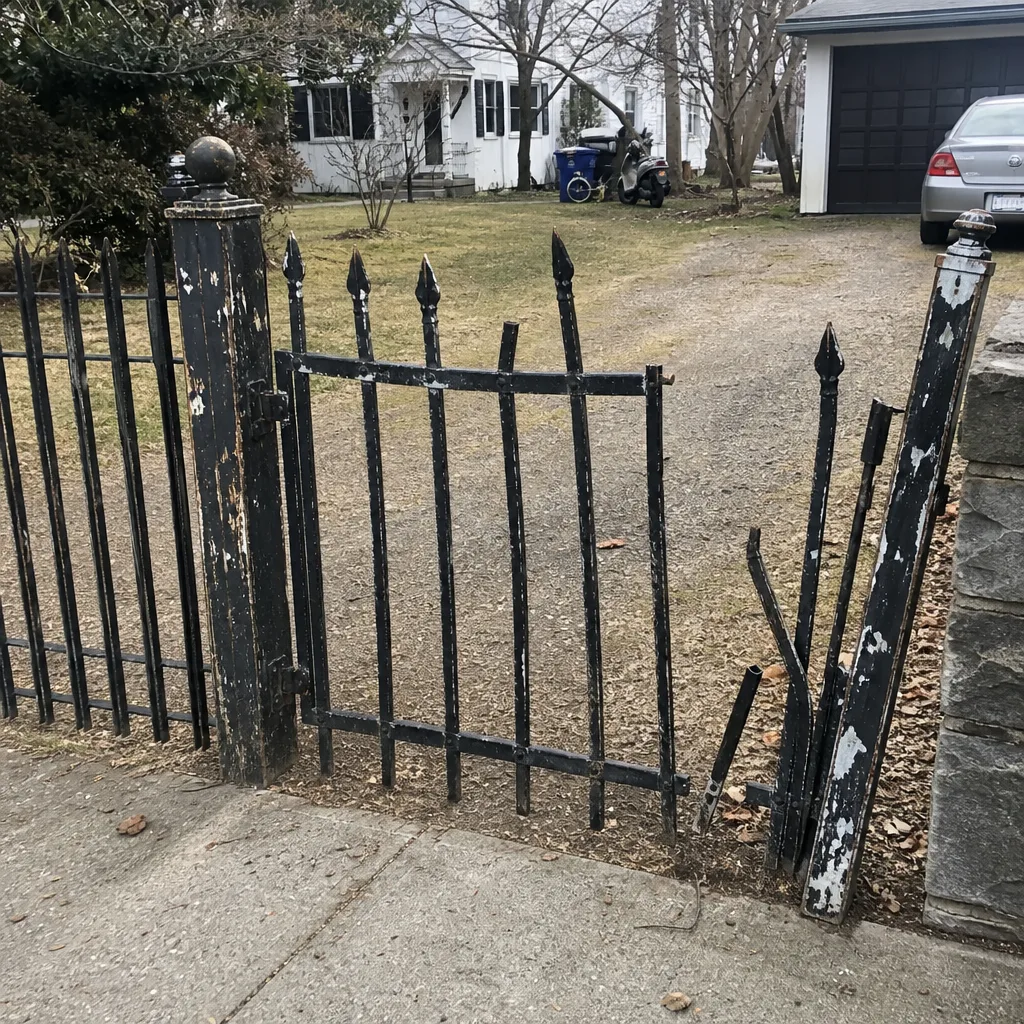 Before
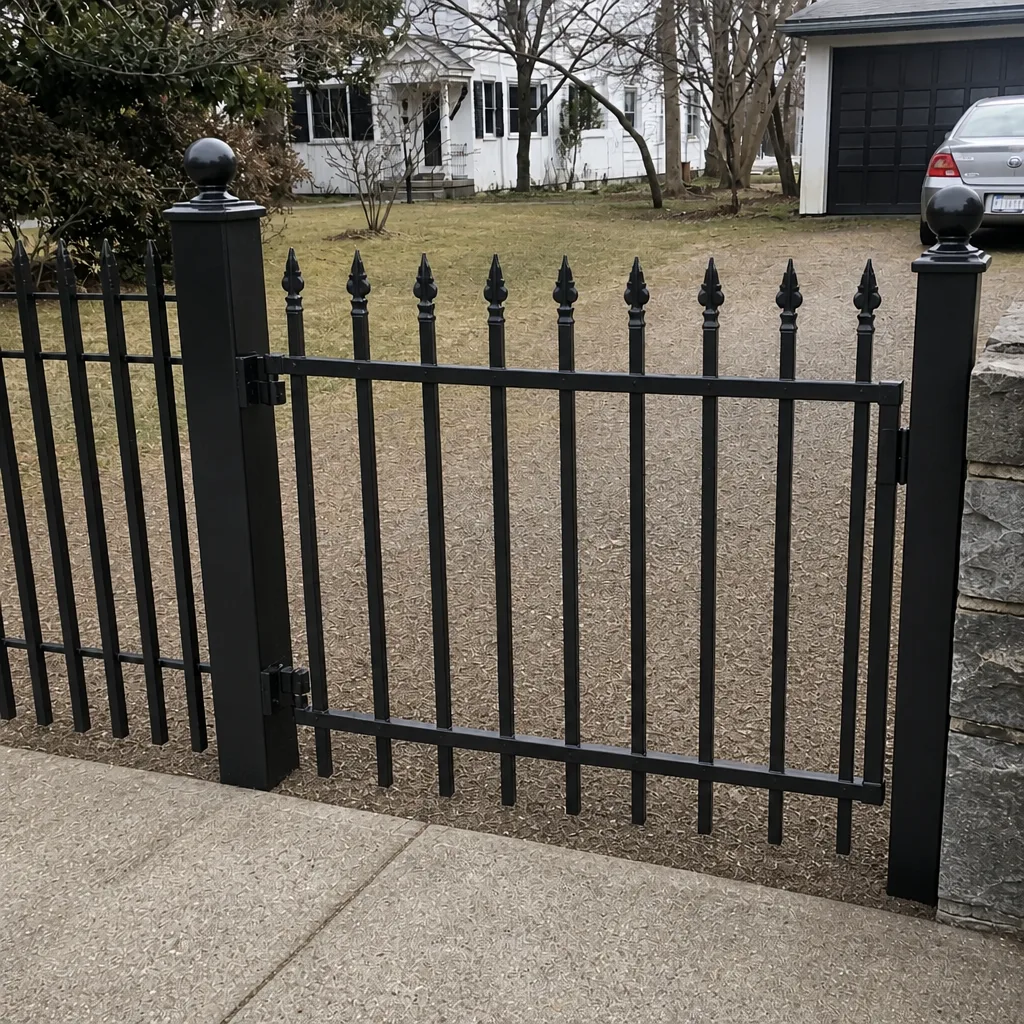 After
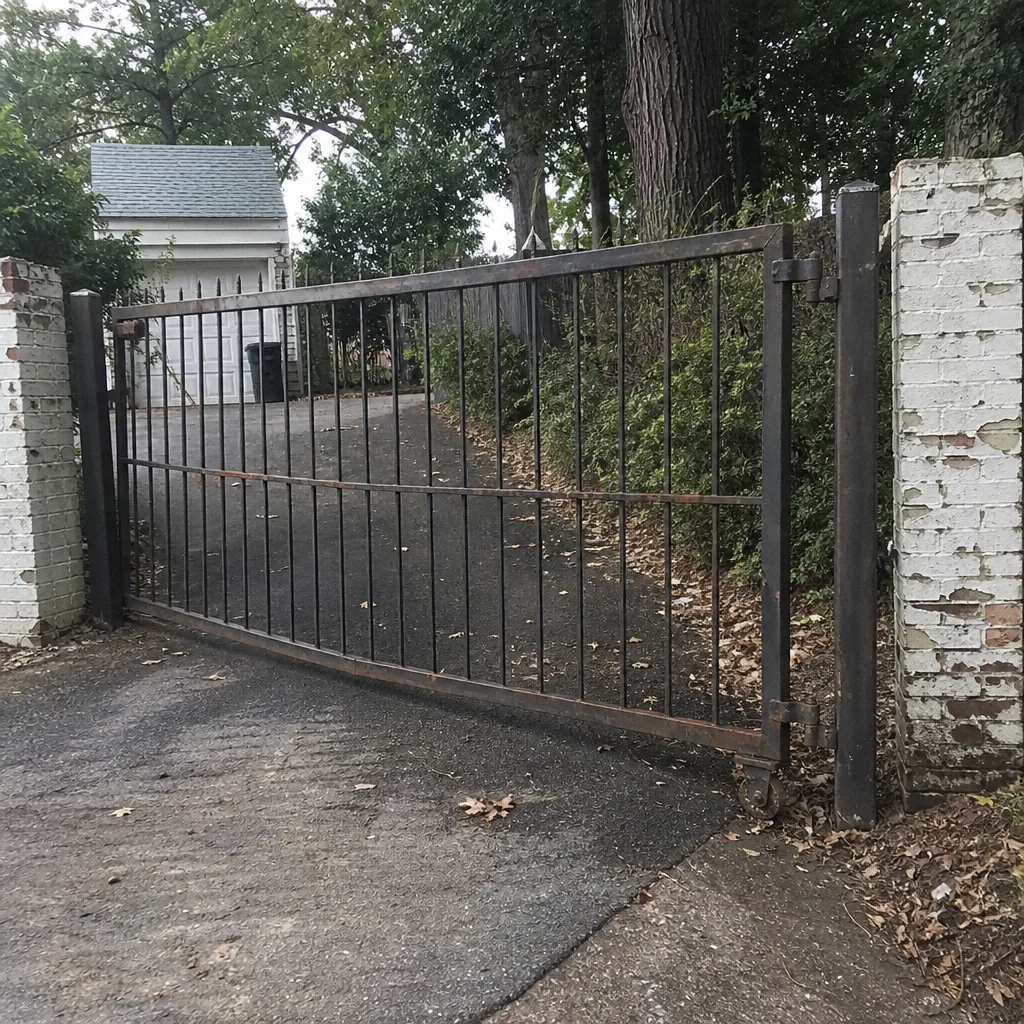 Before
 After
 Before
 After
When to Call a Professional
Some gate problems genuinely need a specialist in Arlington. If your gate reverses unexpectedly, stops mid-travel, or runs when no one told it to, the safety system or the control board needs a diagnostic. If the operator hums but the gate doesn’t move, or the motor smells hot, stop using it and call. If a slide gate has come off the track or a swing gate is dragging on the ground, the structural problem will damage the operator if you keep running it. If the gate is wired to a keypad, an intercom, or a loop detector and the access hardware has stopped working, that’s control-side work. Any repair that requires opening the operator housing or touching the wiring is not a homeowner job; the risk is real, and the parts are not forgiving.
Arlington Gate Service offers free estimates in Arlington. Call (855) 349-3550. We answer 24/7. Fast dispatch from 7am to 7pm, Sunday through Friday.
Frequently Asked Questions
Most gate repairs in Arlington fall into a range that depends on the system and the diagnosis, so there’s no single number. A simple sensor or hinge repair costs less than a control board or motor replacement, and a commercial operator costs more than a residential unit. The written estimate is what sets the final price, and we don’t give a firm quote without an on-site inspection. Call (855) 349-3550 for an exact quote; estimates are free.
UL 325 is the safety standard that governs automated gate operators, and it requires entrapment protection so a moving gate reverses or stops when it detects an obstruction. You should care because any contractor who can’t explain how they test UL 325 compliance hasn’t been trained on automated gates. It’s the single fastest question that separates a specialist from a generalist. Call (855) 349-3550 to talk through your system with a gate specialist.
We work on the major gate operator brands, including Viking, Ghost Controls, DoorKing, and Elite, along with LiftMaster, FAAC, BFT, Linear, and Mighty Mule. That range means we diagnose the actual brand on your gate instead of applying a generic fix. If you’re not sure what’s on your gate, that’s fine; identifying it is the first step of the visit. Call (855) 349-3550 to tell us what your gate is doing.
It depends on the scope. Most repairs don’t require a permit, but a new installation or new electrical work often does, and the rules are set by the city. Ask your contractor to confirm the permit situation before work begins, and ask your city’s building department directly if you want certainty. A specialist will know to raise the question rather than skip it. Call (855) 349-3550 if you want help figuring out what applies to your job.
Ask for a certificate of insurance and then ask a specific follow-up question: does the policy cover low-voltage electrical work performed as part of the job? General liability alone may exclude the electrical scope. Get the answer in writing, and verify any subcontractor separately. If a contractor can’t answer that question, that’s your answer. Call (855) 349-3550 if you have questions about how we handle the electrical portion of a job.
Repair is the right call when the fault is isolated and the rest of the system passes inspection. Replace when repairs are stacking up or the operator’s parts are discontinued and no longer available. The decision should come from an on-site diagnosis, not a phone call. We’ll walk you through all three options, including maintenance, with the numbers in front of you. Call (855) 349-3550 for a free estimate.
Most repairs are handled in a single visit once the diagnosis is made and the correct part is on hand. If the part needs to be ordered, the timeline depends on the brand and the part’s availability, and we’ll tell you before you commit. Same-day service is often possible for common issues. Call (855) 349-3550 to describe the problem and book a visit.
We answer 24/7. A call outside dispatch hours is booked into the next opening, Sunday through Friday, 7am to 7pm. We don’t schedule work on Saturday. Call (855) 349-3550 and we’ll get you on the schedule.
The Bottom Line
Hiring a gate repair contractor in Arlington comes down to one distinction: specialists diagnose the actual system, and generalists guess. Ask the five technical questions in this guide, especially the UL 325 question and the one about the brand on your gate. Demand an on-site inspection before you accept any quote, read the quote for specific line items rather than “labor and parts,” and verify that the insurance covers low-voltage electrical work, not just general liability. Do those things and you’ll avoid the most expensive mistake in the business, which is paying twice for the same repair. Our technicians have up to 10 years of experience, and we handle both repair and new installation. For a free estimate, call (855) 349-3550. We answer 24/7. Fast dispatch from 7am to 7pm, Sunday through Friday.
Written by the team at Arlington Gate Service.