
Last updated November 15, 2026
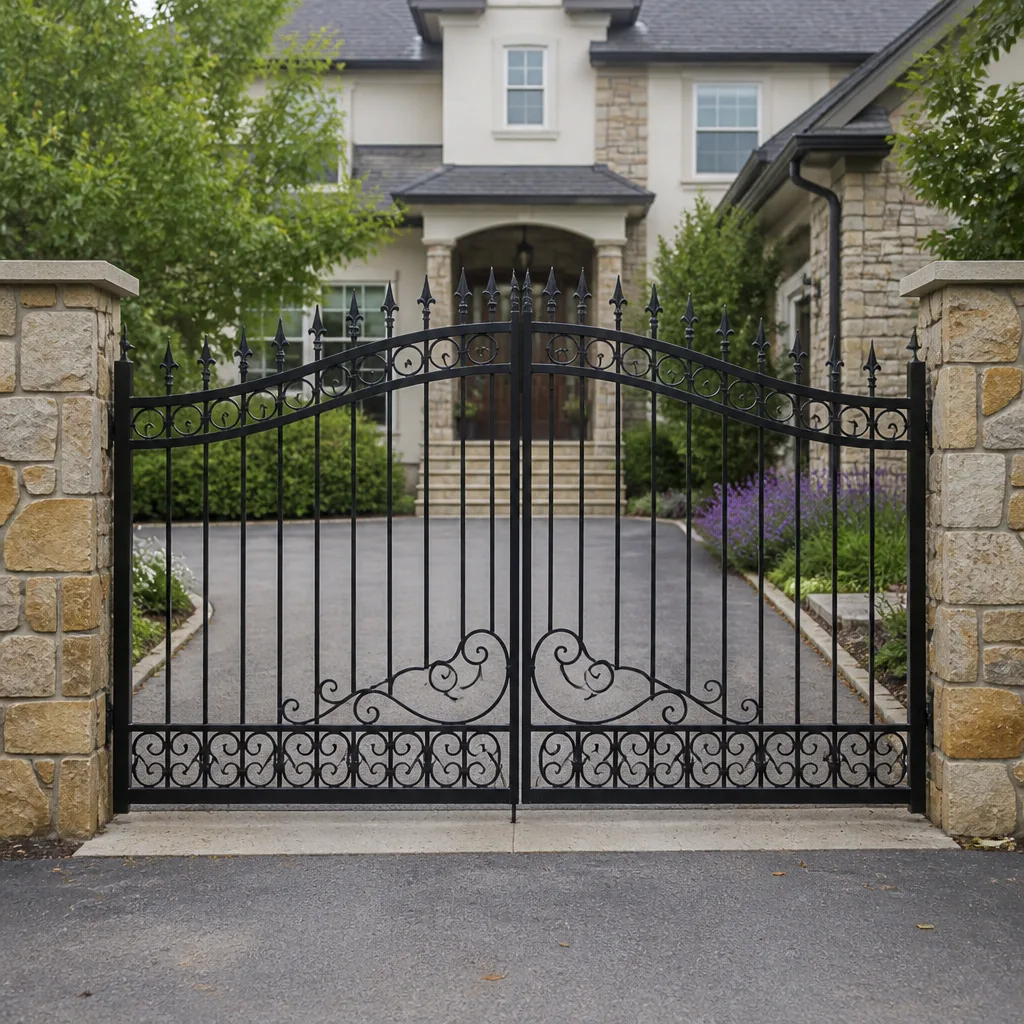 Wrought iron
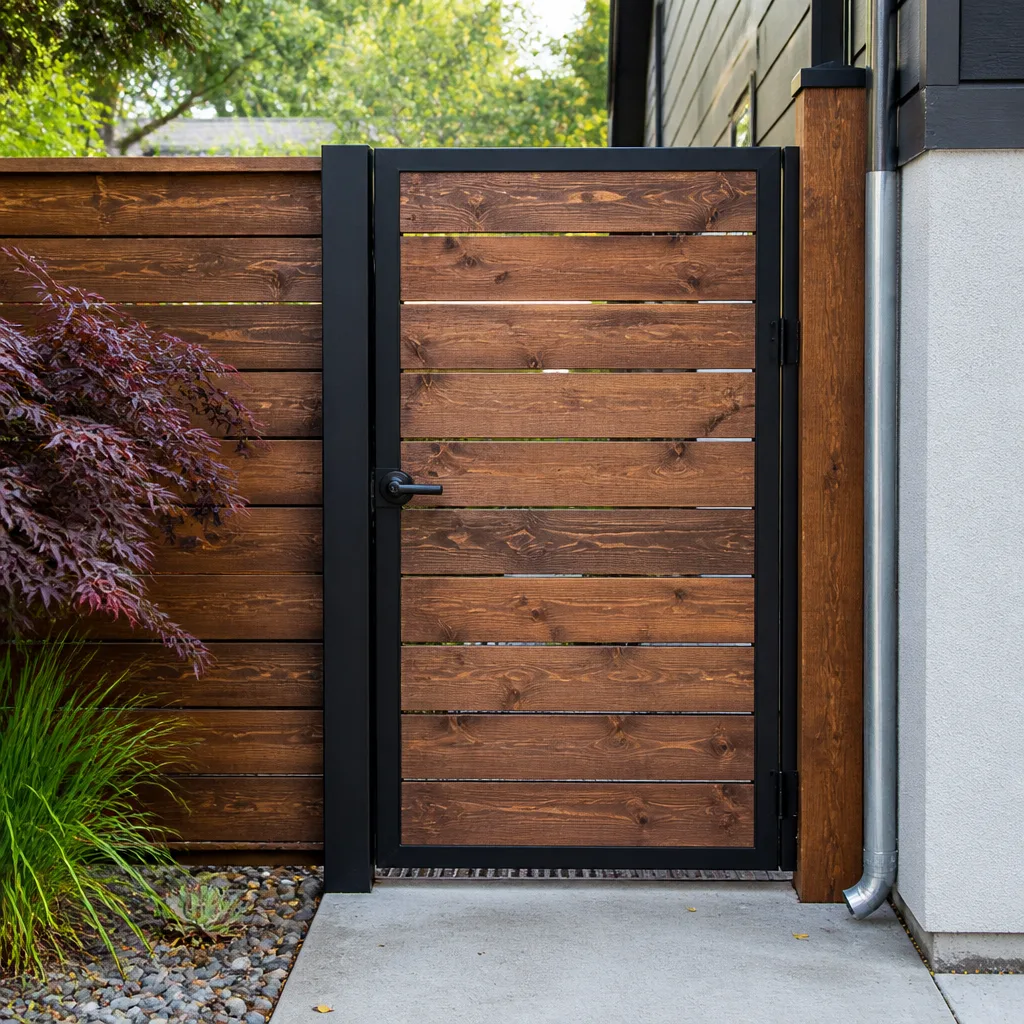 Wood & steel frame
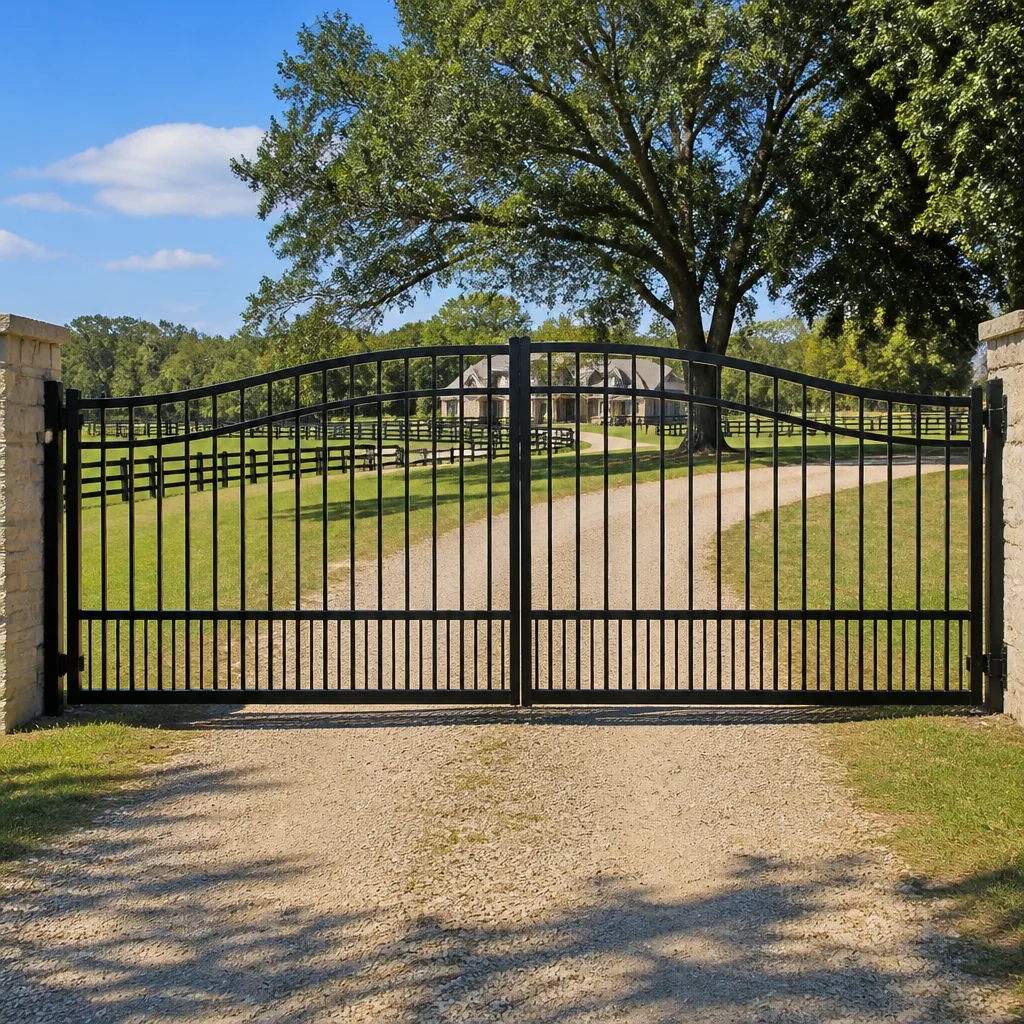 Farm & ranch
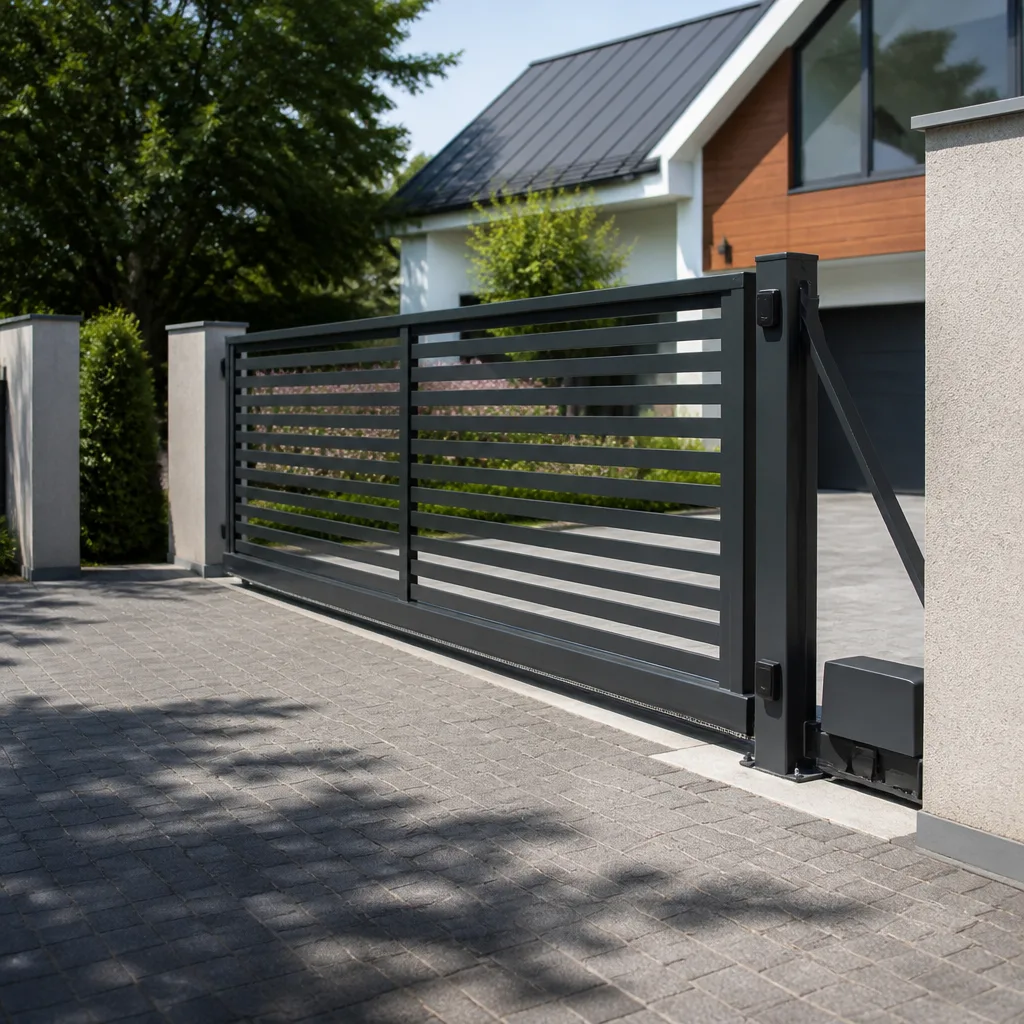 Sliding driveway gates
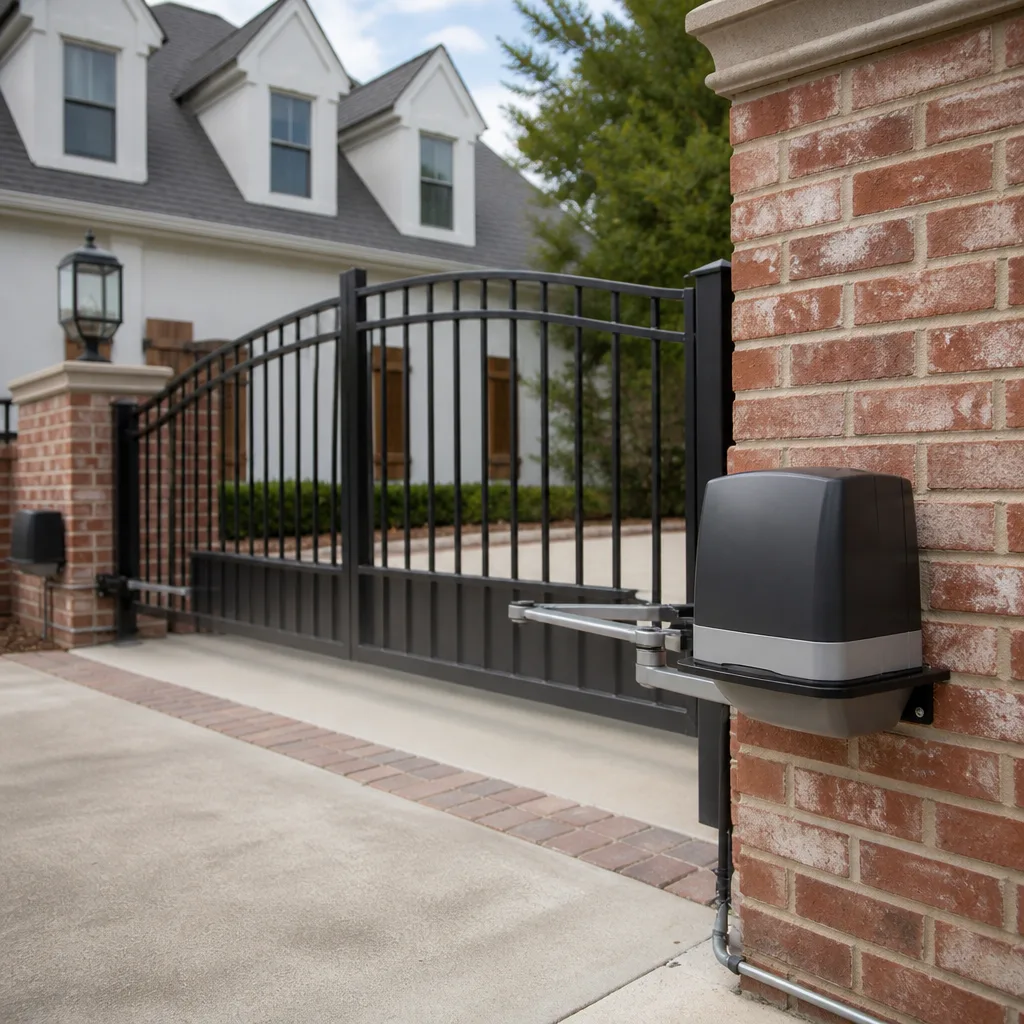 LiftMaster operators
Free on-site gate assessment - hinges, posts, and your LiftMaster or Nice gate operator checked before anything is quoted
The assessment is free and the quote is the invoice.
Get your free estimateChoosing the Right Gate Repair Brand: A Buyer’s Guide for Arlington
Most Arlington homeowners pick a gate operator the way they pick a water heater: whichever one the installer happens to carry. That decision feels final the day it’s made and invisible for years afterward. Then a control board fails, and the real cost of that choice shows up as a two-week wait for a part and an invoice that reflects exactly how hard your system is to source. A brand that’s well-supported in California or Texas can have thin parts availability in the Mid-Atlantic, and thick availability is what keeps a repair moving. This guide looks at the leading operator brands through one lens: how serviceable they are in Arlington, Virginia, over the life of the gate.
Quick Answer
The best gate operator brand for Arlington isn’t necessarily the most popular brand nationally. It’s the brand with reliable Mid-Atlantic parts availability, a control-board design that allows field-level repair rather than full operator replacement, and a local technician pool that actually knows the system. LiftMaster, FAAC, and Viking tend to score well on those three factors for Northern Virginia properties; the right pick depends on whether your gate is a light residential swing gate or a heavy slide gate.
Styles & brands we work with
- Wrought iron
- Wood & steel frame
- Farm & ranch
- Sliding driveway gates
- LiftMaster operators
Table of Contents
- Why the Brand You Choose in Arlington Shapes Every Future Repair
- Parts Availability in the Mid-Atlantic: What to Expect by Brand
- Control Board Architecture and Long-Term Repair Costs
- Reliability by Gate Type: Slide Gates vs. Swing Gates
- Interoperability for Arlington HOAs and Commercial Properties
- The Service Network Factor: Judging Technician Familiarity Before You Buy
- How to Evaluate a Brand in Five Steps
- Repair vs. Replace: When a Brand Change Makes Sense
Why the Brand You Choose in Arlington Shapes Every Future Repair
A gate operator is bought once and repaired many times. The purchase price is a one-time number. The repair economics play out across the whole life of the system, and they’re set by forces the buyer rarely thinks about at installation: how deep the distributor network runs, whether a control board can be replaced on its own, and whether the technician standing at your gate has seen that board before.
Arlington sits in a market where a lot of the housing stock is older, lot lines are tight, and driveways are often shorter than what you’d find in newer suburban builds. That means gate systems here tend to be compact, close to the street, and frequently automated for parking control rather than long rural driveways. The operator is packed into a smaller footprint, the duty cycle is often higher than the homeowner expected, and every component failure shows up fast.
Two gates on the same block can have wildly different repair profiles based on brand alone. We’ve seen this play out repeatedly across Arlington: an operator with a field-replaceable board gets back online the same visit, while a brand with a sealed board turns the same fault into a full operator replacement. Nothing about the gate itself changed. The brand architecture did.
There’s a second, quieter cost: technician familiarity. A brand with a strong local service base gets repaired faster because the person working on it doesn’t have to reverse-engineer the wiring diagram the first time. When you’re choosing among Arlington Gate Service options or comparing any local provider, the question isn’t just “what’s a good brand” – it’s “what brand does my local specialist know deeply.”
Parts Availability in the Mid-Atlantic: What to Expect by Brand
Parts availability is the single biggest driver of repair downtime in Northern Virginia. Most gate brands distribute from a handful of regional hubs, and a component that’s on the shelf in Dallas may not be stocked anywhere in the Mid-Atlantic. Here’s how the picture generally breaks down for the brands we work with most often.
LiftMaster
LiftMaster has one of the broadest residential and light-commercial distribution networks in the country, and Northern Virginia sits inside that network. Common parts – remote receivers, safety sensor sets, replacement arms – are usually in regional stock, so most repairs don’t require a multi-week wait. Less-common commercial control boards and heavy-duty operators can still require a customer order, so plan on some lead time for those.
FAAC
FAAC builds heavy-duty commercial and industrial operators, and its Mid-Atlantic support is real but concentrated. Standard commercial operators and common replacement components are typically accessible through distributor channels in the region. Specialty boards and less-common add-ons are more likely to be special-order, which is why the operator’s exact model matters when a repair is being planned rather than reacted to.
Viking
Viking has a solid presence in the commercial access-control and gate-operator market, and its parts network reflects that. Parts for Viking’s standard commercial models are usually obtainable without excessive lead time. As with any commercial-grade brand, less-common components can take longer, so a technician who knows the model line is worth more than any single feature on a spec sheet.
Linear
Linear operators are common on residential and light commercial properties, and the brand’s residential-grade parts have decent regional availability. If you’re running a Linear swing-gate operator on a residential driveway, the odds of getting back to service quickly are good. On the commercial side, lead times widen.
Elite
Elite spans residential and light-commercial gate operators, and parts availability follows the same pattern: common items are accessible, specialty components may not be. An Elite operator that has worked well for a decade can still surprise a homeowner if a specific board or motor eventually needs replacement, and that’s where local knowledge of the model line matters.
What lead times mean in practice
- In-region stock: Same-day or next-day on common replacements for the heavily distributed brands.
- Regional distribution: Typically a few days for less-common components.
- Special order: Longer waits when the part isn’t stocked anywhere nearby, which is more likely with commercial-grade specialty items.
- Discontinued model: The longest waits of all, and the case where a brand change becomes worth considering.
Before you commit to a brand on a new installation, ask a gate specialist which parts for that model are locally obtainable. That one question explains most of the downtime surprises in Arlington.
Control Board Architecture and Long-Term Repair Costs
Control board design is where the long-term cost of a gate operator lives, and almost nobody evaluates it at purchase. Boards come in two essential architectures: modular and field-replaceable, or sealed and integrated. The difference determines whether a failed board is a $200-class repair or a full operator swap.
Modular, field-replaceable boards
These boards are designed to be removed and replaced on-site. When a board fails, the technician swaps it, re-programs the operator, and the gate is back in service without touching the motor or the gearbox. This is the architecture you want on a residential gate. It keeps the rest of the operator useful for its full mechanical life.
Several brands in the residential space – including LiftMaster and Ghost Controls – build around this model. Ghost Controls in particular is engineered around an easy-to-service design, with clearly separated control components. For a homeowner on an Arlington driveway, that separation is the difference between a routine repair and a replacement.
Sealed or integrated boards
When the control board and the rest of the operator are a single unit, a board failure can mean replacing more than the board. Commercial-grade operators sometimes take this approach, either because the board is baked into the chassis or because the manufacturer’s warranty cross-references require the whole unit. BFT and similar commercial brands sometimes require full operator replacement on certain control faults, which inflates the repair bill substantially.
What to check before you buy
- Ask whether the board is field-replaceable. If the operator’s spec sheet is vague, ask a specialist. This is the single most important question on the purchase list.
- Look for modular separation between the board, the motor, and the gearbox. Separated components mean isolated repairs.
- Check the programming interface. Boards that can be re-learned easily reduce diagnosis time and technician labor on every future visit.
- Consider duty cycle. A high-duty-cycle commercial gate on an integrated board is a long-term cost multiplier.
On electric gate repair in Arlington, board failures account for a substantial share of troubleshooting calls. When we do electric gate repair on a modular design, the repair is usually limited to the failed module. On a sealed design, the whole operator comes out.
Reliability by Gate Type: Slide Gates vs. Swing Gates
Gate operator reliability depends on the gate just as much as the brand. Brands that perform beautifully on a light residential swing gate can struggle on a heavy slide gate, and vice versa. Speaking from a service perspective rather than a spec-sheet one, here’s what we see in the field.
Heavy slide gates
Slide gates bring weight and momentum to the equation. A gate that weighs a few hundred pounds accumulates energy as it moves, and the operator has to control that motion smoothly through acceleration, deceleration, and reversal. The commercial brands – FAAC, BFT, and Viking in particular – are built for this. They have heavier-duty gearboxes, larger motors, and controls that can manage a big slide gate without hammering the mechanics.
If you have a long slide gate on an Arlington property, a compact residential operator will typically underperform. The repair pattern looks like repeated strain on the gearbox, premature motor wear, and inconsistent stopping. Choosing a heavier-duty commercial brand from the start is cheaper over the life of the gate.
Lightweight swing gates
Residential swing gates – single leaf, driveway-width, sometimes dual-leaf – are gentler on the operator. Brands like Ghost Controls and Mighty Mule are designed for this load class, and they perform consistently on residential swing gates. LiftMaster and Linear also cover this segment well.
It’s common for a homeowner to overspec a swing gate, buying a commercial brand that then requires commercial-grade repair costs. Match the brand tier to the gate type, not the other way around.
High-traffic and multi-unit gates
Condos, HOAs, and commercial properties in Arlington push gates through many more cycles per day than a single-family home. That duty cycle is far more punishing than any single gate’s weight. If your gate operates many times an hour, brand selection should lean commercial: heavier motors, more robust electronics, and more predictable service patterns.
A quick reliability guide
- Light residential swing gate: Ghost Controls, Mighty Mule, LiftMaster, Linear.
- Heavy residential slide gate: LiftMaster commercial-tier, Viking, FAAC.
- Commercial or multi-unit: FAAC, BFT, Viking, DoorKing.
- Access-controlled entry with integrated hardware: DoorKing, FAAC, Viking.
Interoperability for Arlington HOAs and Commercial Properties
Arlington has more multi-unit and HOA-controlled gate systems than a typical suburb, and interoperability matters more here than in markets dominated by single-family driveways. The question isn’t just “does the operator work” – it’s “does the operator integrate with the access hardware my property already uses?”
What integration usually involves
- Keypads and card readers: The operator’s control board must accept open commands from an external reader.
- Intercoms and call boxes: The gate must respond to a relay signal from the intercom, and caller ID must pass through cleanly.
- Bluetooth and app-based readers: Increasingly common at Arlington properties, and the operator has to accept the reader’s relay without timing conflicts.
- Exit loops and free-exit hardware: The operator must coordinate properly with ground loop detection so a vehicle leaving doesn’t trigger a false close.
- Property management software: Gate logs, access history, and remote-open events increasingly feed into HOA management platforms.
Which brands integrate cleanly
DoorKing is a common choice for properties with telephone-entry and multi-tenant access control, and the integration is well-trodden because DoorKing builds around those systems. FAAC and Viking also play well with third-party access hardware. BFT can integrate, but the property has to know the exact model’s capabilities before buying. Residential brands like Ghost Controls and Linear integrate with residential-grade readers and smartphone apps, which covers most single-family needs but not multi-tenant access systems.
The practical advice: pick the access hardware first, then pick the operator that integrates cleanly with it. Not the other way around.
The Service Network Factor: Judging Technician Familiarity Before You Buy
Every brand on paper looks capable. What separates them in real life is whether the local technician pool knows your specific model. A brand your specialist has worked on dozens of times gets diagnosed faster, repaired more accurately, and serviced with fewer return visits.
What brand familiarity means in practice
- Diagnosis speed: A technician who knows the board layout and error codes finds the fault in fewer hours.
- Part accuracy: Familiarity means the right part gets ordered the first time.
- Programming fluency: Boards that look opaque on unfamiliar systems get dialed in quickly by someone who has set them up before.
- Safety hardware adjustments: Sensor alignment, reversal sensitivity, and force settings on an unfamiliar operator take longer to dial in correctly.
How to evaluate technician familiarity before you buy
- Ask the specialist what brands they work on most often. The answer tells you what they can diagnose confidently.
- Ask specifically whether they’ve serviced your model. Not the brand – the model. Operators within a brand can share a logo and nothing else.
- Ask how parts for that model reach Arlington. A specialist who knows the local distributor network is a good sign.
- Look for single-trade focus. A gate specialist who does only gate work sees the same boards again and again. A generalist who also handles fencing, garage doors, and gates will not have that repetition.
- Ask whether they install and repair the same brand. A specialist who installs and repairs the brand you’re considering knows the system from both sides.
This is where single-trade focus earns its keep. Our technicians have up to 10 years of experience working on gate operators specifically – and we work on your brand, whether that’s a residential Ghost Controls swing operator or a heavy commercial FAAC slide gate. A homeowner in Arlington doesn’t have to guess whether the technician at the gate has seen their system. That’s the whole point of using a specialist.
How to Evaluate a Brand in Five Steps
Here’s a practical, step-by-step way to evaluate a gate operator brand before committing. It’s built for a homeowner or property manager who doesn’t work in the trade and doesn’t want to learn it in a single afternoon.
- Match the brand tier to your gate type. Residential swing gates belong with residential-grade brands. A long industrial slide gate needs a commercial brand. Mismatching this up front drives repair costs for the entire life of the gate.
- Ask whether the control board is field-replaceable. If the answer is no, add the cost of a full operator replacement to your mental repair budget. That’s the worst-case scenario for a board failure.
- Check Mid-Atlantic parts availability for the specific model. Not just the brand. Ask what happens when a specific component fails. The answer reveals whether your repair will be days or weeks.
- Confirm integration with your access hardware. If you have keypads, intercoms, Bluetooth readers, or exit loops, verify the operator accepts those signals before you buy. Arlington HOAs and commercial properties run into this bottleneck often.
- Interview your technician about the model. Ask what they’ve seen fail most often on that model, and how they typically fix it. A specialist who answers confidently is one who has serviced it.
Walk through those five steps and you’ll know more about your future repair economics than most buyers ever will. You’ll also have a much clearer picture of what to ask when you’re getting quotes on new installation.
Repair vs. Replace: When a Brand Change Makes Sense
Part of choosing a brand is knowing when to switch. Repair usually wins when the operator’s mechanical parts are sound and a single component has failed. Replacement makes more sense when the brand’s parts are genuinely hard to source, the operator is outdated, or a repair becomes equivalent to a substantial share of a new system.
Signs repair is the right call
- The failed part is in regional stock.
- The operator’s board is modular and field-replaceable.
- The gate’s mechanical components (hinges, rollers, tracks) are sound.
- The brand is one your local specialist services regularly.
Signs replacement makes sense
- Parts for the specific model are consistently hard to source in the Mid-Atlantic.
- The operator has integrated architecture and a board failure would require a full swap.
- The gate’s traffic has grown and the original operator is undersized.
- Access hardware integration has become a chronic problem, and a DoorKing or FAAC system would resolve it.
When replacement is the right call, choosing a brand that’s serviceable in Arlington matters more than any single feature. Installation and repair under one provider keeps the brand decision coherent: whoever installs the system is also who diagnoses it years later. If your gate is aging and repair is borderline, get an on-site evaluation before deciding.
Common Mistakes to Avoid
- Buying on spec-sheet features alone. A brand’s brochure will list every feature; none of that tells you how accessible its parts are in Northern Virginia. Check the parts side before you check the feature list.
- Mismatching brand tier to gate type. Overspecifying a light swing gate drives up repair costs, and underspecifying a heavy slide gate wears out the operator prematurely. Match the operator to the gate it moves.
- Ignoring board architecture at purchase. Sealed boards are the most common reason a routine repair turns into a full operator swap. Ask about the board before you sign the install quote.
- Assuming the top national brand is top in Arlington. A brand with strong distribution in Texas or California may have thin Mid-Atlantic parts support. Local availability is the correct benchmark.
- Skipping the access control conversation. If you have keypads, intercoms, or Bluetooth readers, the operator has to integrate cleanly. Buying the operator first and the access hardware second is backwards.
- Choosing a generalist for gate work. A company that also handles fencing, garage doors, and general handyman work sees fewer gate boards per year. Diagnostic accuracy and parts familiarity drop when gate work is a side job.
- Treating an aging operator as a permanent problem. If the model or brand has thin local parts availability, replacement with a better-supported brand usually pays back in reduced downtime. The right time to make that decision is before the next failure, not after.
See the difference
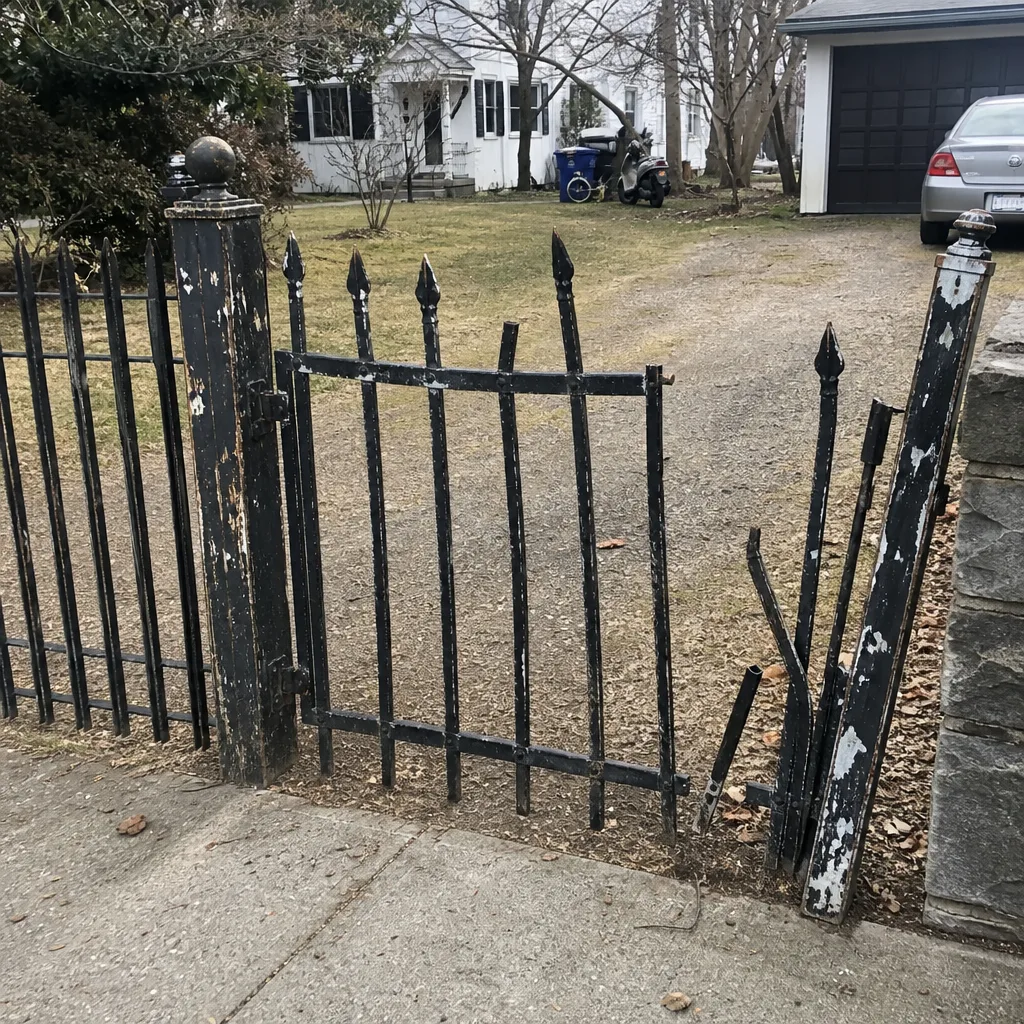 Before
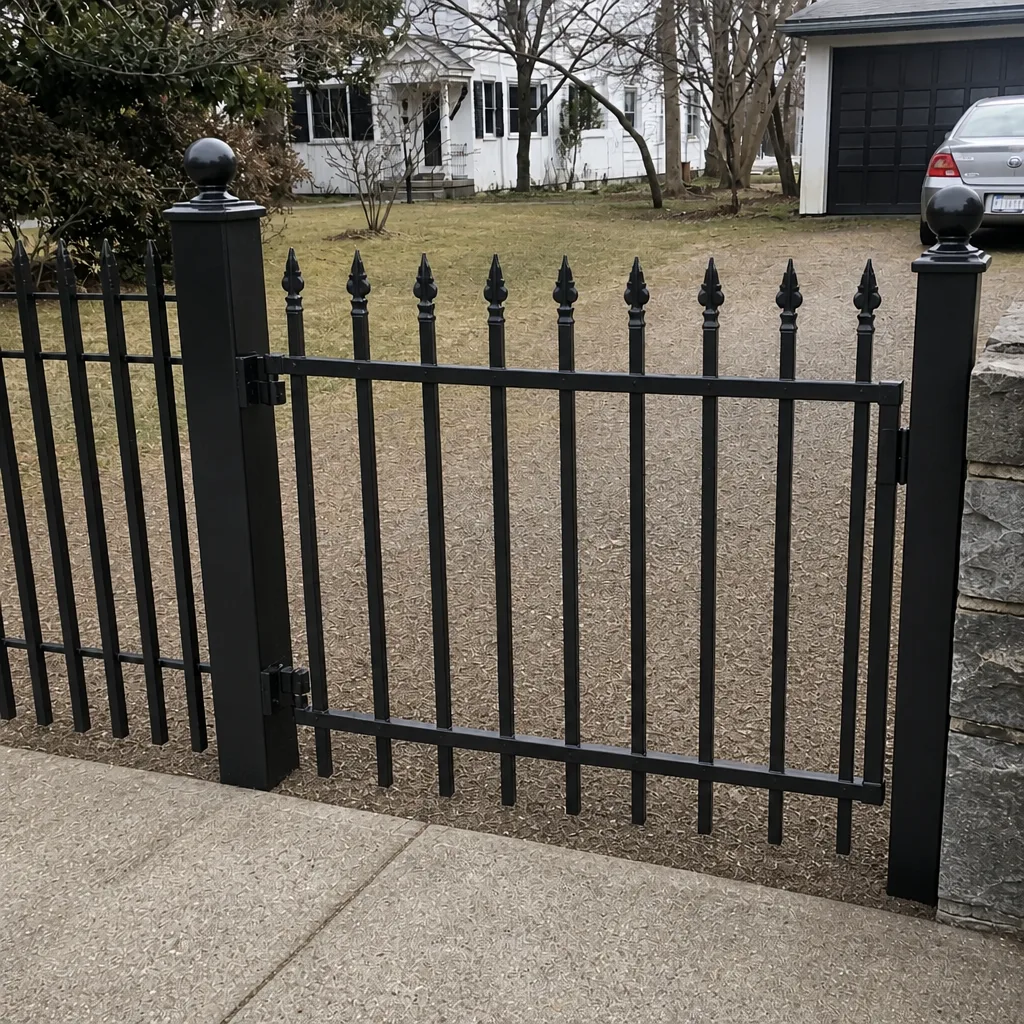 After
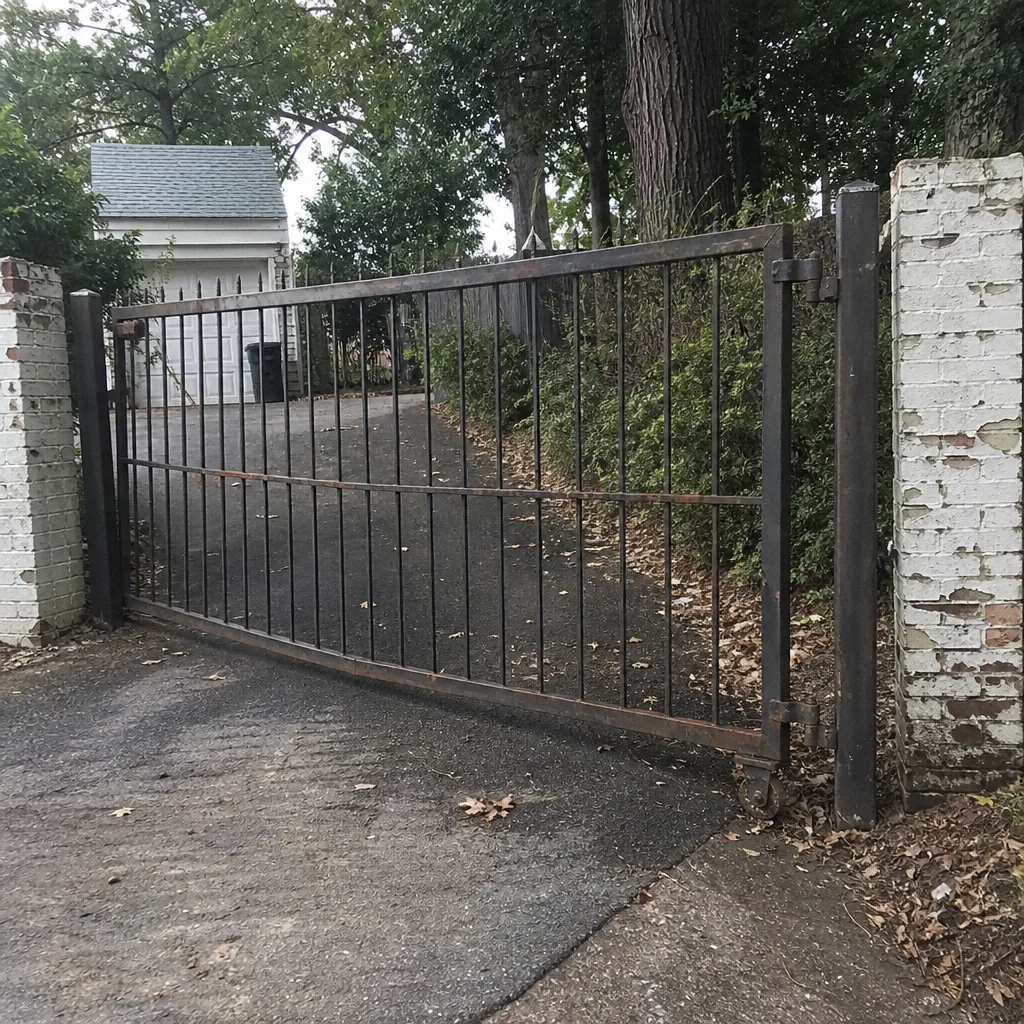 Before
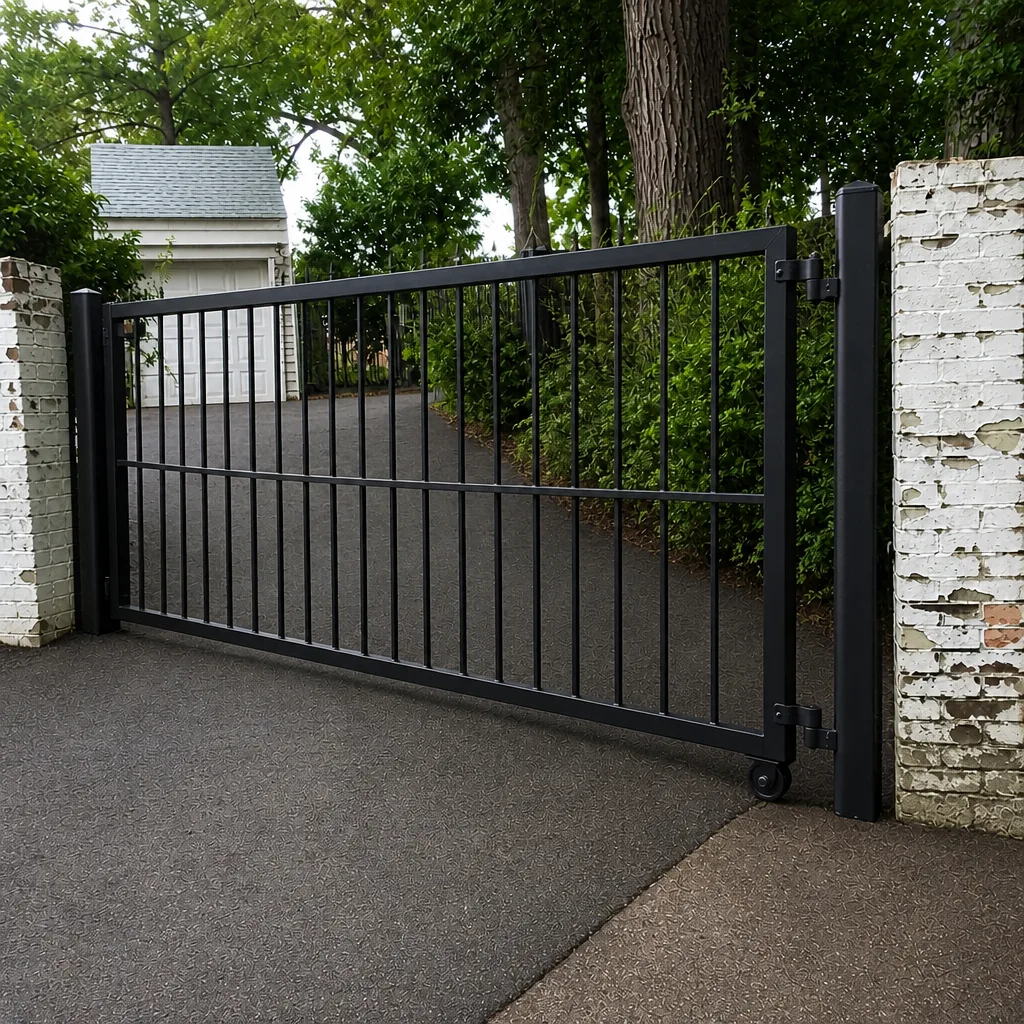 After
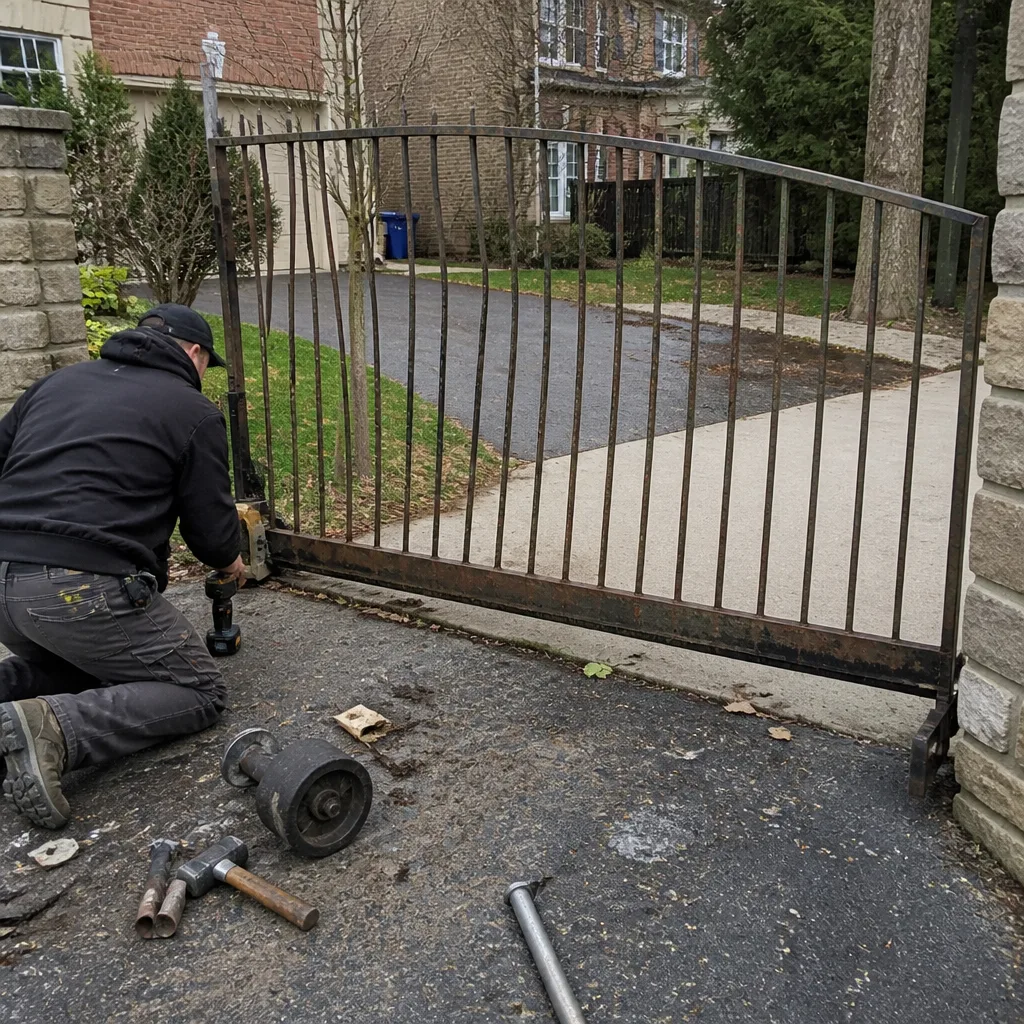 Before
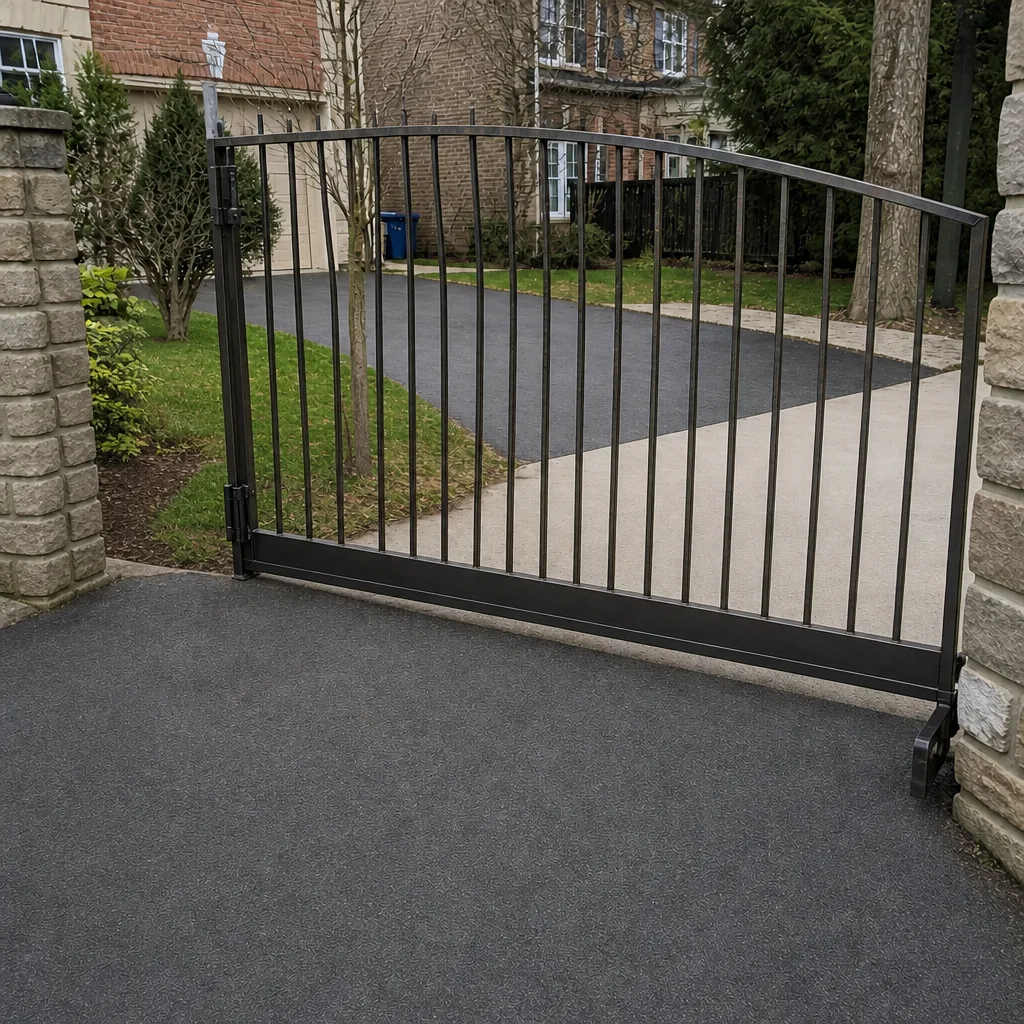 After
When to Call a Professional
Gate work is not a DIY category once a system becomes electric or automated. The operator’s power wiring, the reversal safety settings, the sensor alignment, and the weight of a moving gate all carry real hazards. A gate that closes without the proper force and reversal settings is a serious injury risk, especially on an Arlington property with children or pets. Never bypass a safety edge, a sensor, or a force setting to make a gate move – and never open an operator’s power enclosure yourself. Trained technicians have the tools, the training, and the familiarity with your specific brand to do the job safely. Call a professional when the gate stops reversing on obstruction, when the motor runs but the gate doesn’t move, when the operator trips a breaker, when the safety edges stop responding, or when the gate hesitates, jerks, or drifts past its limits. Arlington Gate Service offers free estimates in Arlington – call (855) 349-3550.
Frequently Asked Questions
For residential swing gates, LiftMaster, Ghost Controls, Linear, and Mighty Mule all have strong Mid-Atlantic parts availability and field-replaceable boards. For commercial and heavy slide gates, FAAC, Viking, BFT, and DoorKing are the strongest options. The right pick depends on your gate type, your access hardware, and how easily a specialist can source parts locally.
Some brands are harder to source locally than nationally, yes. The Mid-Atlantic sits inside the distribution footprint for LiftMaster, Viking, and Linear, so common components are usually available without long waits. Less-common commercial parts and discontinued models can take longer, especially for FAAC and BFT specialty components. Ask your specialist what lead time to expect for the specific part before ordering.
FAAC, Viking, BFT, and commercial-tier LiftMaster operators are the brands most consistently reliable on heavy slide gates. Heavy gates put load on the gearbox and motor that residential operators aren’t designed to carry, and commercial brands handle the momentum better. Undersizing a slide gate operator is one of the most common reasons a system wears out prematurely.
No – integration depends on the operator’s control board and the access hardware’s relay output. DoorKing is well known for clean integration with telephone-entry and multi-tenant systems, and FAAC and Viking also accept third-party access hardware cleanly. Verify the specific model’s integration capabilities before buying, especially on Arlington properties with Bluetooth readers, intercoms, or card readers.
Not automatically. If the operator’s mechanical components are sound and the control board is field-replaceable, repairing the board usually gets the gate back in service. Replacing the whole operator makes more sense when the board is integrated, the model is discontinued, or parts are consistently hard to source locally. An on-site diagnosis separates the two cases.
Ask what they’ve seen fail most often on your specific model and how they typically fix it. Ask whether they install and repair the brand you’re considering. Ask what lead time to expect for the specific part that’s most likely to fail. A specialist with a gate-only focus – one who works on gate operators every day – answers with detail. A generalist will guess. Our technicians have up to 10 years of experience on gate systems specifically.
The Bottom Line
The brand you choose at installation is a long-term decision about repair costs, downtime, and how fast your gate gets fixed when something fails. In Arlington, Mid-Atlantic parts availability matters as much as the operator’s features, and it’s worth asking about field-replaceable boards, gate-type tier, access hardware integration, and technician familiarity before you buy. For more on what we do and how we approach gate work, see gate repair and Arlington. When it’s time to make a decision, a specialist who works the brand you’re considering is worth more than any single spec.
If you’re comparing brands for a new gate or troubleshooting a failing one, we’re glad to walk through the options with you. Call (855) 349-3550 for a free estimate. We answer 24/7. Fast dispatch from 7am to 7pm, Sunday through Friday.
Written by the team at Arlington Gate Service.