
Last updated November 15, 2026
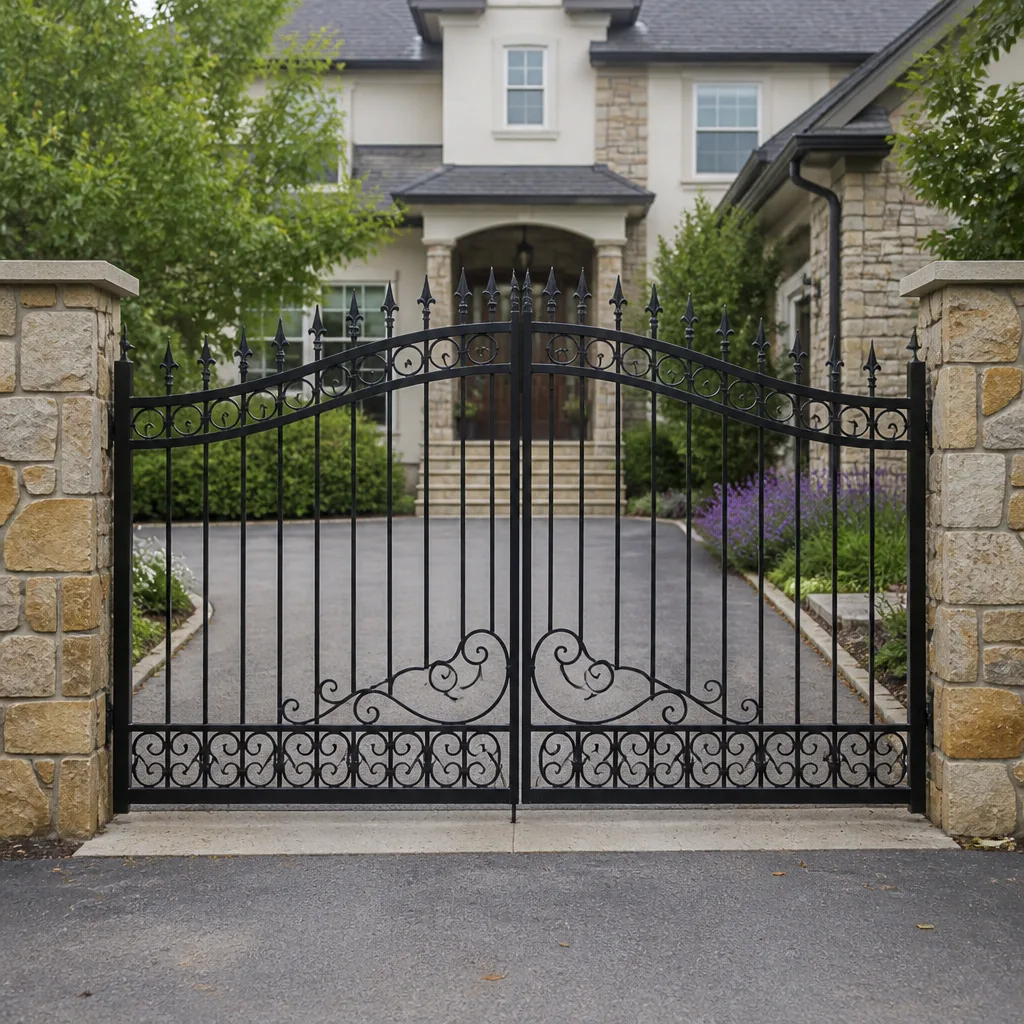 Wrought iron
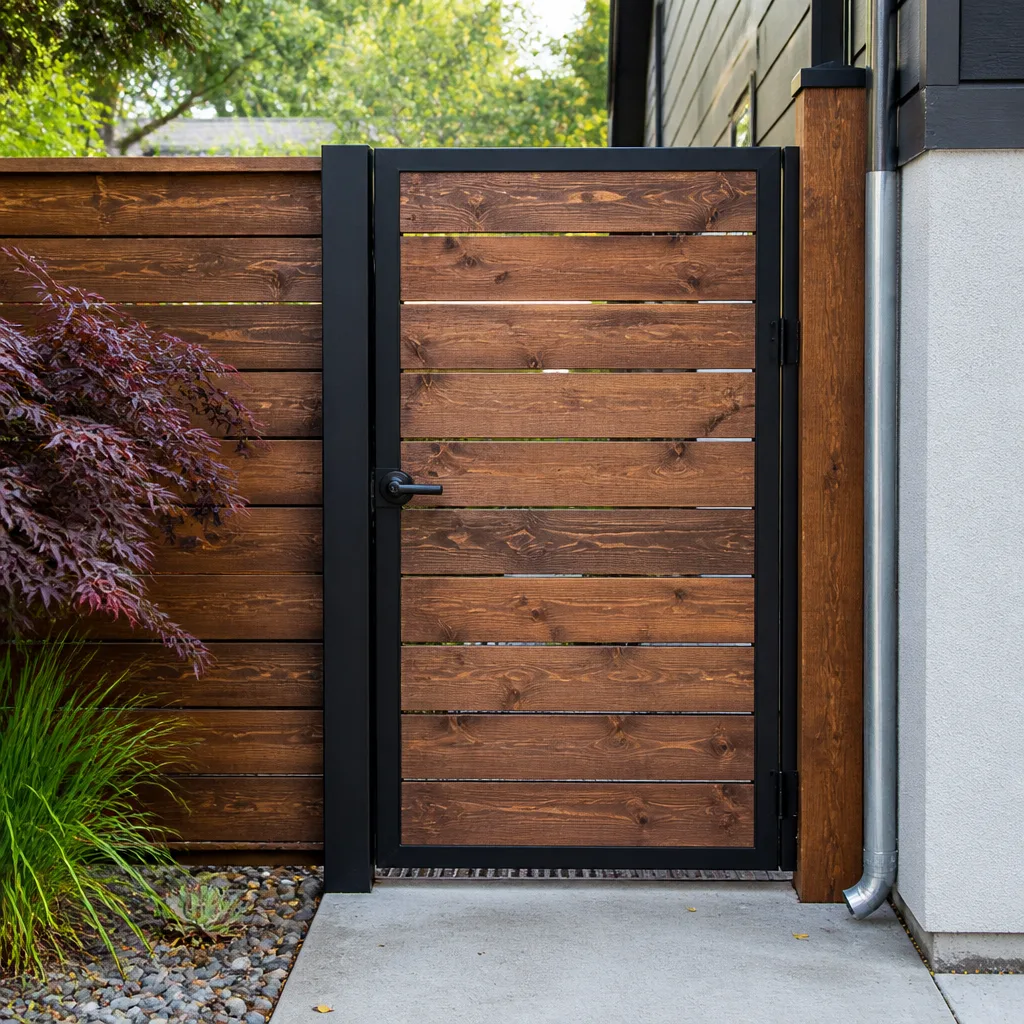 Wood & steel frame
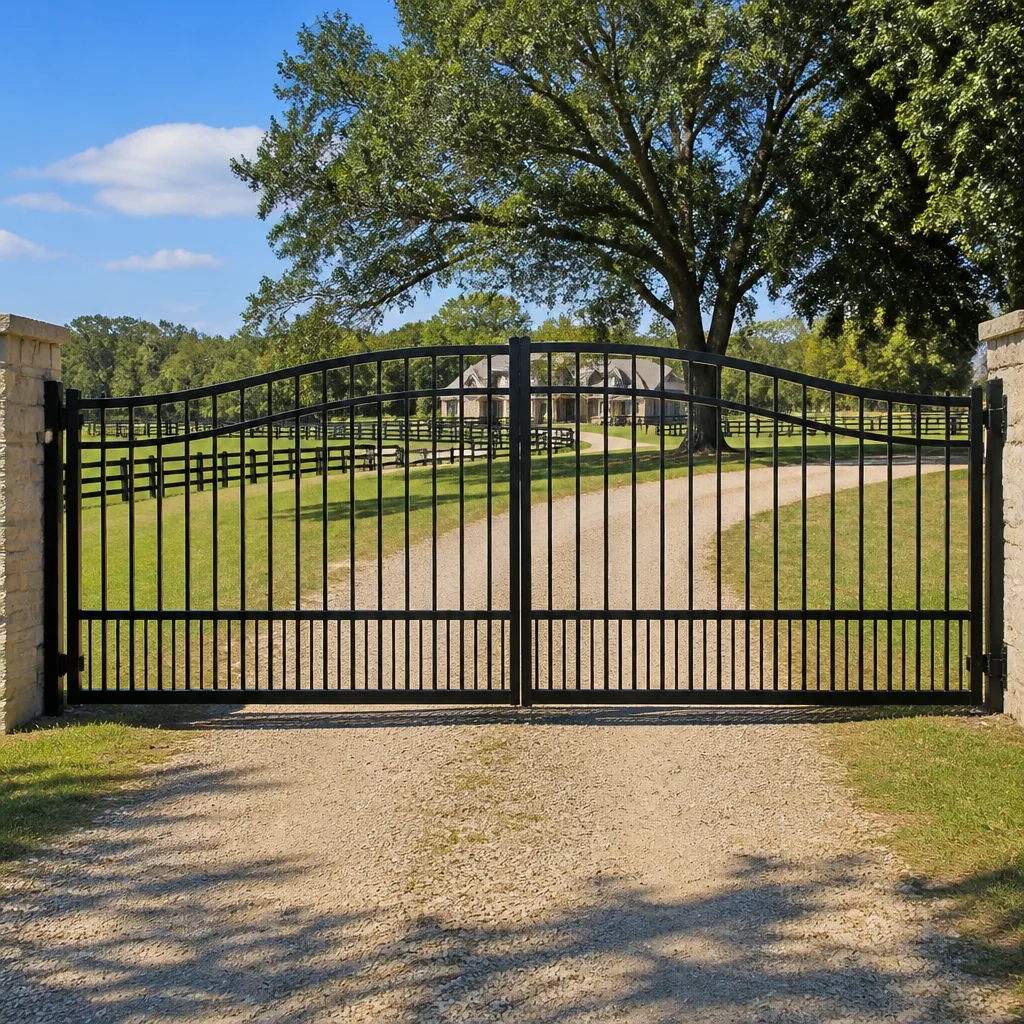 Farm & ranch
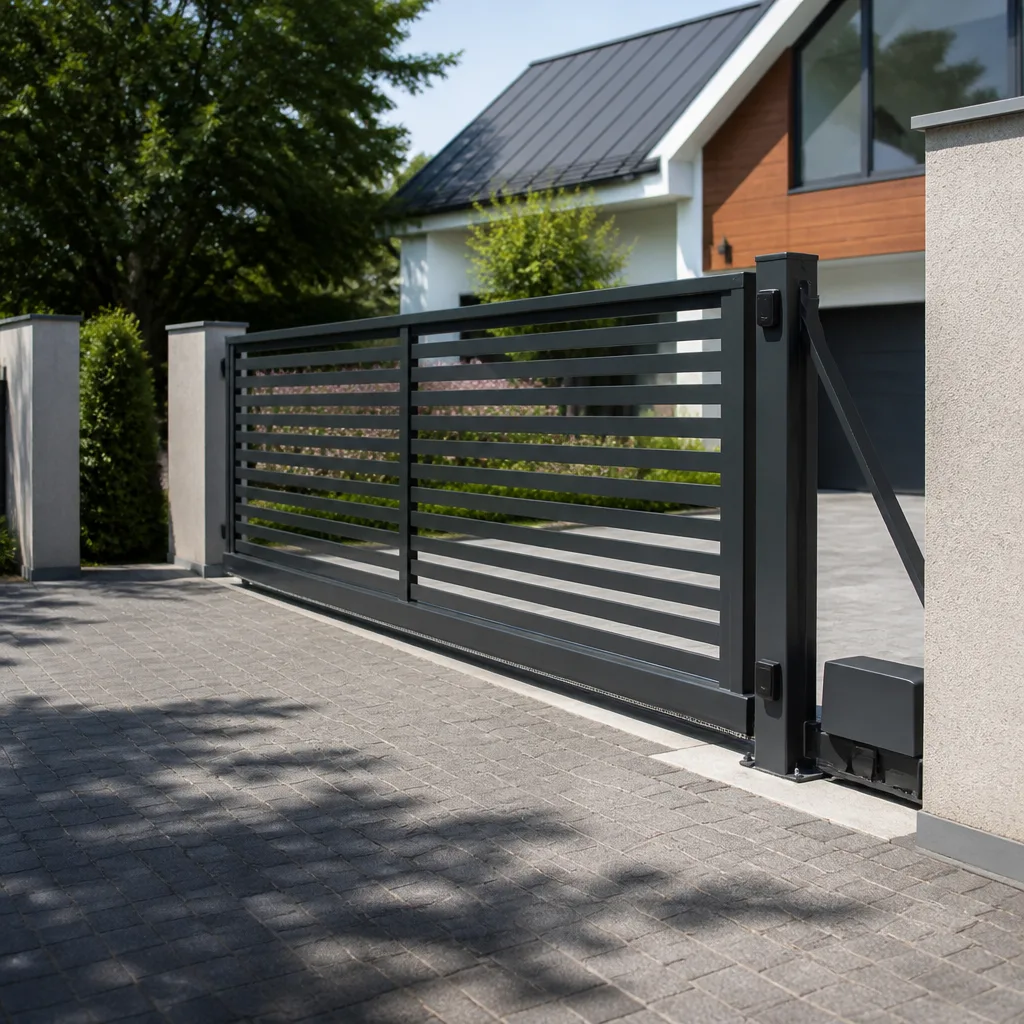 Sliding driveway gates
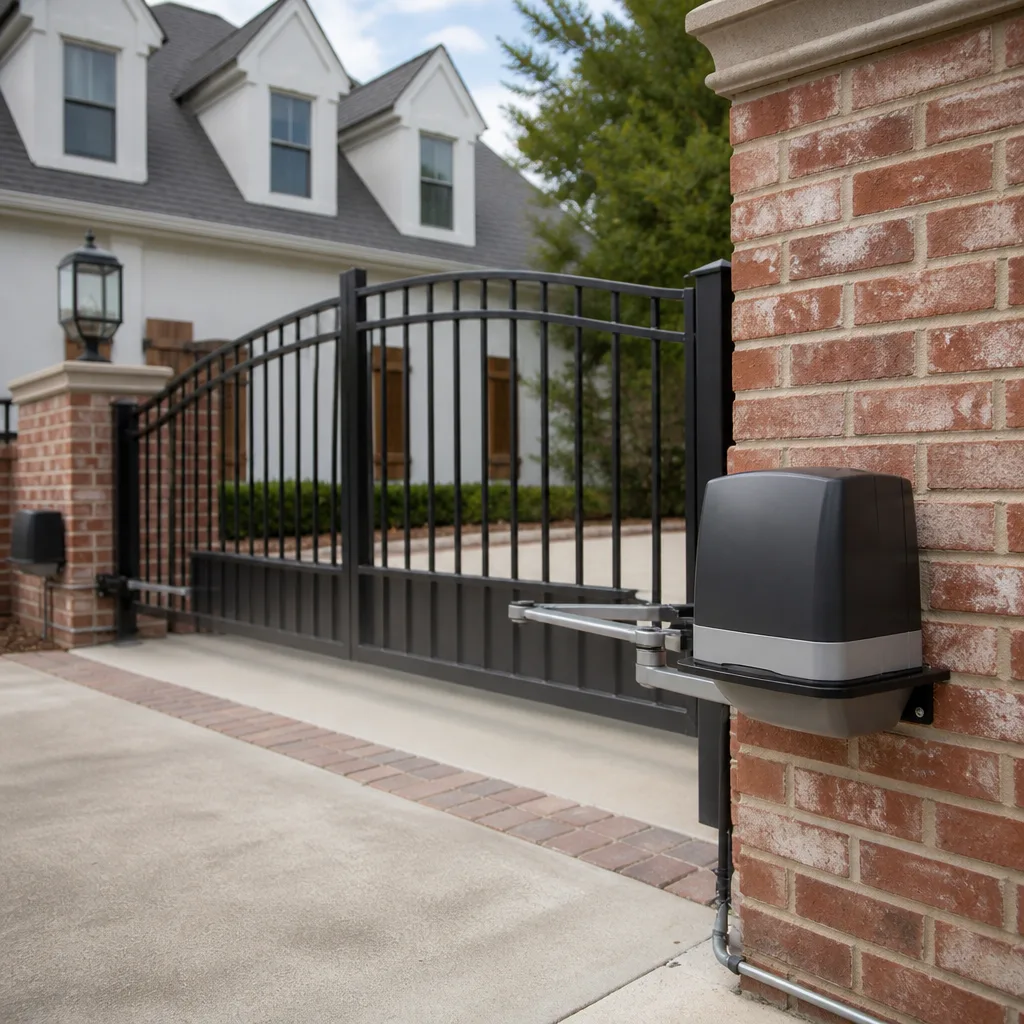 LiftMaster operators
Free on-site gate assessment - hinges, posts, and your LiftMaster or Nice gate operator checked before anything is quoted
The assessment is free and the quote is the invoice.
Get your free estimateGate Repair Cost Breakdown: The Arlington Homeowner’s Reference for 2026
Two Arlington homeowners with “broken gates” can get quotes $1,500 apart, and it’s rarely because one contractor is overcharging. It’s usually because they have completely different problems. A hinge replacement on a lightweight aluminum gate and an operator swap on a heavy steel slider are both called “gate repairs,” yet they share almost no cost drivers. Flat ranges in most cost guides ignore brand, weight, material, and whether the failure is mechanical or electrical. This reference gives you a framework to build a realistic estimate before you get a single quote in Arlington.
Quick Answer
Gate repair in Arlington typically runs from a few hundred dollars for hinge, hardware, or sensor work up to several thousand for operator replacement or post and footing repair on a heavy commercial-grade gate. The price is driven far more by your operator brand, gate weight and material, and whether the fault is mechanical or electrical than by any flat “average repair” figure. Every job should be quoted and agreed before work starts.
Styles & brands we work with
- Wrought iron
- Wood & steel frame
- Farm & ranch
- Sliding driveway gates
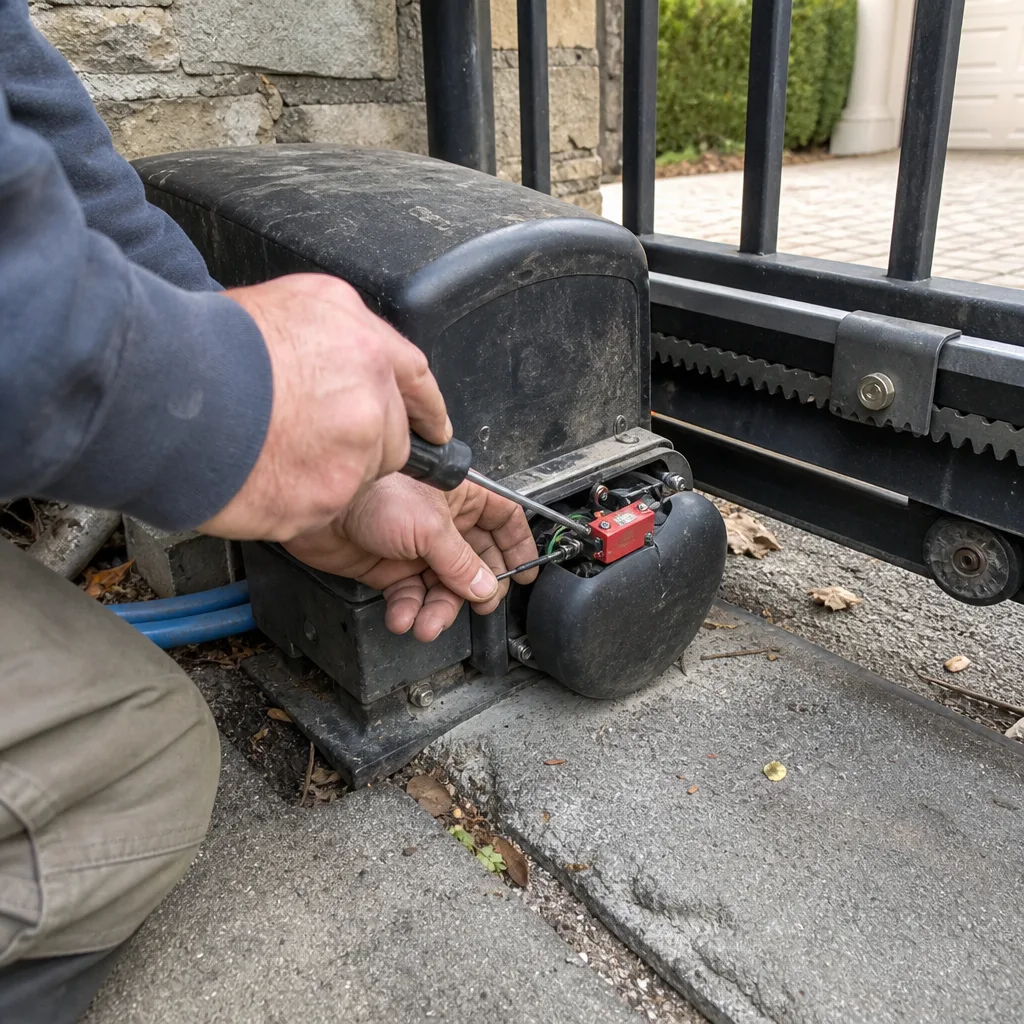
- LiftMaster operators
Table of Contents
- What does each type of gate repair cost in Arlington?
- How do gate weight and material change the price?
- What does brand-specific operator replacement cost?
- Which hidden cost drivers catch homeowners off guard?
- Is it worth repairing or should you replace?
- What makes an Arlington gate job different?
- How a proper diagnosis works
- When to call a professional
What does each type of gate repair cost in Arlington?
Cost in Arlington tracks the failure type almost exactly, not the gate’s address. Mechanical wear items like hinges, rollers, and latches sit at the low end. Electrical faults inside the operator, the control board, or the buried wiring sit at the high end and often cost more in labor than in parts. Below is the framework we see most often, with the labor reality behind each band.
- Hinge, roller, and hardware repair: the lowest-cost repair tier. Parts are inexpensive; the labor is in realigning a sagging gate leaf and replacing worn pivots so the gate swings or slides true again.
- Operator (motor) replacement: a mid-to-high tier depending on gate weight and brand. The motor is the largest single part on the invoice, and a heavier gate needs a proportionally heavier-duty operator.
- Control board replacement: frequently the surprise line item. Boards fail after power events or water ingress, and on some brands the board is the single most expensive part in the system.
- Post and footing repair: the highest labor tier, because it involves digging out and re-pouring a failed footing. A leaning gate post usually isn’t a gate problem at all; it’s a footing problem.
- Wiring, safety sensor, and loop detector issues: priced by how much digging or trenching the fault requires. A safety photo-eye that’s simply out of alignment is minor; a broken conductor under a driveway apron is not.
The single most important pricing principle: an Arlington gate repair estimate should be quoted and agreed before any technician touches the gate. A written estimate that itemizes parts and labor is what separates a professional diagnosis from guesswork. Our technicians have up to 10 years of experience, and the first thing they do is identify the actual brand and system type on-site rather than assuming.
Why the same “repair” quote can differ so widely
When you compare two estimates on the same gate, ask what each one includes. One quote may replace a motor only. Another may replace the motor, the control board, the safety edge, and correct a footing that’s been slowly shifting. Those are two different jobs wearing the same label. Getting the job diagnosed right the first time is the whole point of using a gate specialist, because a misdiagnosis on an automated system means paying twice.
How do gate weight and material change the price?
Gate weight and material change the labor and the parts multiplier far more than most homeowners expect. A 400-lb steel swing gate and a 150-lb aluminum slide gate of the same width are not the same repair, even if the symptom sounds identical. The heavier the leaf, the heavier the hardware, hinges, and operator it needs, and the more labor it takes to lift, support, and realign safely.
Here’s how the variables stack up:
- Weight drives the operator class. A residential-duty operator rated for a lightweight gate can’t safely move a heavy steel leaf. Upgrading to a commercial-grade operator raises the part cost substantially.
- Material drives corrosion and repair method. Steel gates in Arlington’s humid summers and freeze-thaw winters rust at welds and pivot points, so welds may need repair, not just hardware. Aluminum resists rust but bends and can crack at welds. Wood moves with the seasons and needs different hardware entirely.
- Heavier gates need heavier hinges and anchors. The hardware on a 400-lb gate is a different size and cost than on a lightweight residential slide gate.
- Slide vs. swing changes the mechanics. A slide gate needs a track, rollers, and often a rack-and-pinion drive; a swing gate needs hinges and an arm or underground operator. Those are separate parts catalogues with separate price bands.
This is why quoting a “gate repair” without knowing the weight and material is meaningless. When you call for an estimate, tell us the gate type, rough weight if you know it, and the brand on the operator housing. It steers the conversation toward a real number. If you’re dealing with a heavy automated leaf, our electric gate repair team handles the motor, control board, and safety hardware that general contractors usually subcontract out.
What does brand-specific operator replacement cost?
Operator replacement cost in Arlington varies by brand mainly because of parts sourcing and control-board architecture, not because the motor itself is dramatically different. Some brands have deep parts distribution in the Mid-Atlantic, which keeps replacement units and boards available and priced predictably. Others are sourced from a narrower supply chain, so a replacement board or arm can cost more and take longer to land.
Here’s how the brands we work on most often tend to behave on a replacement estimate:
- LiftMaster: broad residential and light-commercial distribution, so units and accessories are generally straightforward to source and price.
- FAAC: common on heavier swing and slide systems, including multi-unit and commercial properties. Parts are available but the operator class is higher, so the part cost reflects a heavier-duty unit.
- Viking: reliable residential and commercial presence, with parts generally accessible through the usual supply channels.
- Linear: widely used on residential driveways, so replacement is usually a predictable line item.
- Elite: found on a range of residential and light-commercial gates; sourcing depends on the specific model.
The pattern: the heavier the gate class the operator is built for, the higher the part cost, regardless of brand. A residential-grade Mighty Mule or Ghost Controls operator on a light driveway gate is a different budget than a commercial FAAC or BFT unit on a heavy slider at an HOA or small business. Because we work on your brand rather than a single manufacturer, the technician diagnoses the actual unit on-site and prices the right replacement rather than a generic swap. We cover nine major operator brands from residential-grade to commercial-grade, so the estimate reflects what’s actually bolted to your gate.
Why the board is often the deciding line item
On many automated systems the control board costs more than the motor. If your gate won’t respond, it’s worth confirming whether the board is the fault before authorizing a full operator replacement. A specialist will test the board, the safety inputs, and the wiring before recommending the bigger-ticket part. That single step is where good diagnosis saves real money on an Arlington gate repair.
Which hidden cost drivers catch homeowners off guard?
The most common surprise on an Arlington gate repair isn’t the part; it’s the work around the part. Trenching for buried wiring, concrete for a failed post footing, and permit requirements can each add meaningfully to a job that looked like a simple swap on paper. Knowing these exist before you get the quote is the difference between a fair number and a shock.
Watch for these five cost drivers most estimates don’t mention upfront:
- Permit fees. New gate installation and major structural changes often require a permit, and most cities require one for this kind of work. Ask your city’s building department what applies to your property before work is scheduled; the fee is set by the city, not the contractor.
- Trenching for buried wiring. If the control wiring to a remote keypad, loop detector, or safety device has failed, the fix may mean trenching to run new conduit. That’s labor-heavy and rarely visible in a phone quote.
- Concrete work for post repair. A leaning or loose gate post usually needs its footing dug out and re-poured. Concrete, digging, and cure time are all real costs on top of the hardware.
- Loop detector and access hardware. Vehicle loop detectors, keypads, and intercoms fail independently of the gate operator. Replacing or re-cutting a loop in an existing driveway adds cost.
- Safety edge and photo-eye compliance. Automated gates need working safety devices. If they’ve been bypassed or removed, bringing them back to a safe state is part of the job, not an optional extra.
One caution on “emergency” pricing: without a written, itemized estimate you can’t tell which of these the quote includes. That’s why we quote per job in writing. The estimate is free, and the price on that written estimate is what you pay.
A word on safety
Gate operators carry mains voltage, and their control boards and wiring can shock or injure. Heavy swing and slide leaves can crush if they move unexpectedly, and a slide gate that has come off its track is a genuine hazard. We explain how the system works and what to check, but we don’t hand out step-by-step repair instructions for the electrical side. That’s work for a trained technician.
Is it worth repairing or should you replace?
The repair-versus-replace call in Arlington comes down to three things: the gate’s age and condition, the material, and the estimated remaining service life of the operator and hardware. A single repair on a structurally sound gate is almost always the right call. Once you’re facing several repairs at once on an aging system, the math starts to favor replacement.
Use this simple framework:
- Count how many repairs you’re facing. One repair, repair it. Three or more overlapping faults (operator, board, hinges, footing) on the same gate is a sign the system is at the end of its run.
- Check the gate structure. If the frame, posts, and footings are solid, replacing the operator alone can buy years. If the frame is cracked, the posts are failing, and the gate is badly rusted, replacing the whole system avoids paying twice in quick succession.
- Match the operator to the gate class. If the existing operator was under-specified for the gate’s weight and keeps failing, replacement with a correctly sized unit stops the repeat-failure cycle. Our gate repair service and our installation work sit under the same roof, so you don’t have to source a second vendor if the answer is replacement.
- Factor in gate age and material. Older steel gates in Arlington’s freeze-thaw cycles rust at welds and pivots. A well-maintained aluminum or steel gate in good structural shape is a repair candidate. A gate that’s structurally failing is a replacement candidate.
The decision should come from an on-site diagnosis, not a phone call. Ask the specialist to tell you, plainly, what the remaining service life looks like on the operator versus the gate. A gate specialist gives you that answer in one visit.
What makes an Arlington gate job different?
An Arlington gate job differs from a generic one in three concrete ways: the housing stock, the permit landscape, and the climate. Arlington mixes older neighborhoods with hard winters and humid summers, and it also has a density of multi-unit and small-business properties where gates serve shared driveways and parking. That mix changes both the operator class and the access considerations on a repair.
In practice, that means:
- Housing and access. Many driveways sit tight to property lines, so a technician needs space to work on a swing or slide leaf without blocking a shared lane. On multi-unit and HOA properties, coordinating access matters as much as the repair itself.
- Permits and the city. New gate installation often needs a permit, and requirements can vary by property. Check with the city’s building department before scheduling major work; that’s the correct source for what applies to your address.
- Climate. Arlington’s summers bring heat and storms, and winters bring freeze-thaw cycles that stress concrete footings and steel. A footing that heaves season to season is a real driver of post and hinge repair in Arlington. Rust and water in an operator housing are common in our humid summers.
- Residential and commercial operators side by side. A residential driveway operator and a commercial operator on a shared parking entrance are two different systems at two different price tiers. The brand on the housing tells you which one you’re looking at.
If you’re searching for a gate specialist in Arlington, the practical question to ask is simple: have you worked on my brand? With nine operator brands in our lineup from residential to commercial grade, that answer is usually yes. Our Arlington Gate Service team focuses only on gates, which is why the diagnosis lands closer to the first visit than the third.
How a proper diagnosis works
A proper gate diagnosis in Arlington follows a fixed sequence so the technician isolates the fault before quoting. Skipping steps is how a homeowner ends up replacing a motor when the real problem was a misaligned safety photo-eye. Here’s the sequence a gate specialist should follow.
- Identify the brand and system type. Read the operator housing, confirm the model, and note gate weight and material. This sets the parts catalogue before any wrench moves.
- Observe the symptom in motion. Does the gate travel partway and stop, reverse immediately, or not move at all? The behavior points to a mechanical versus an electrical fault.
- Test the electrical path. Check power at the operator, test the control board, and confirm the safety devices (photo-eyes, safety edge, loop detector) are reporting correctly. This is where a generalist usually stops and a specialist keeps going.
- Check the mechanical side. Inspect hinges, rollers, track, and the footing. A tight hinge or a settled footing can mimic a motor fault by overloading the operator.
- Write the estimate. Itemize what’s failed, what’s recommended, and what’s optional. The price is quoted and agreed before work starts.
We handle repair and new installation for both homeowners and property managers, from light residential driveways to heavy commercial systems. Whether it’s a LiftMaster residential opener or a BFT commercial unit on a shared entrance, the diagnosis follows the same discipline. The goal is getting it diagnosed right the first time.
See the difference
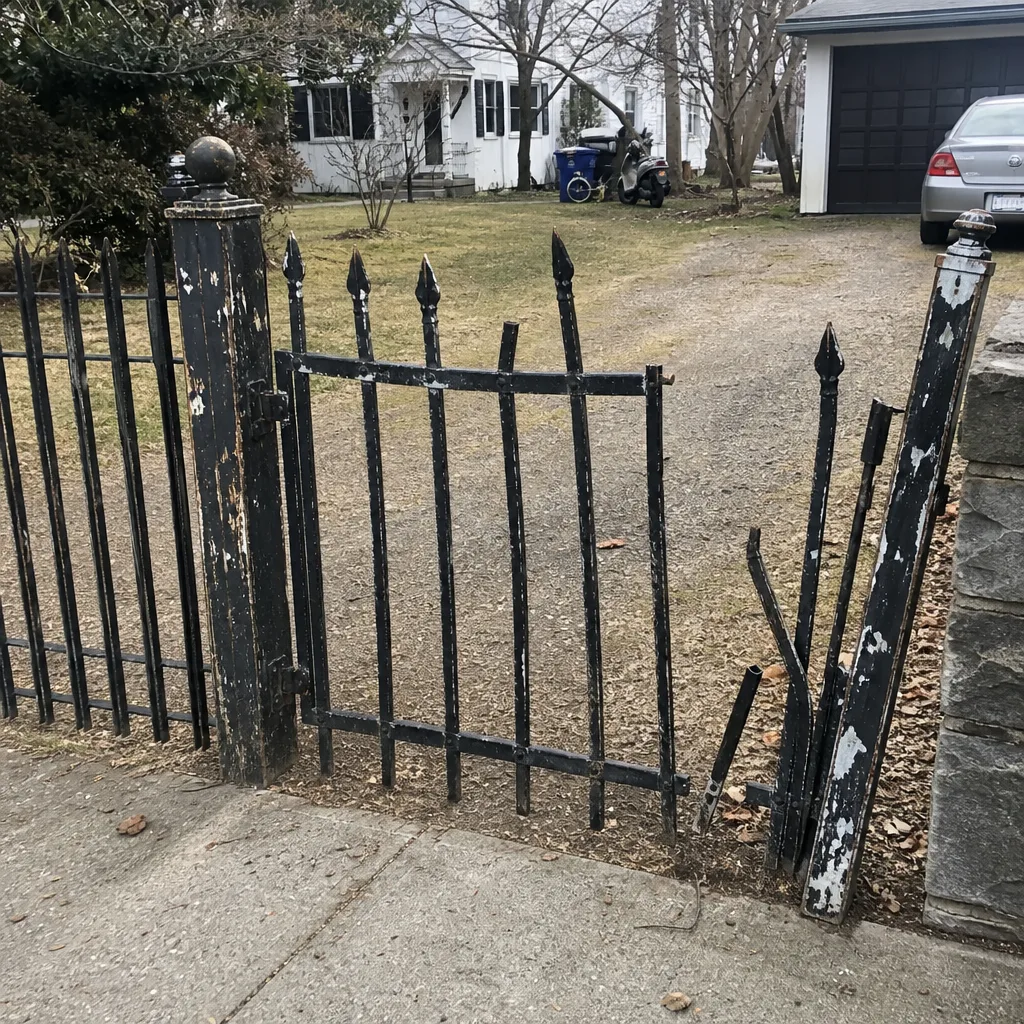 Before
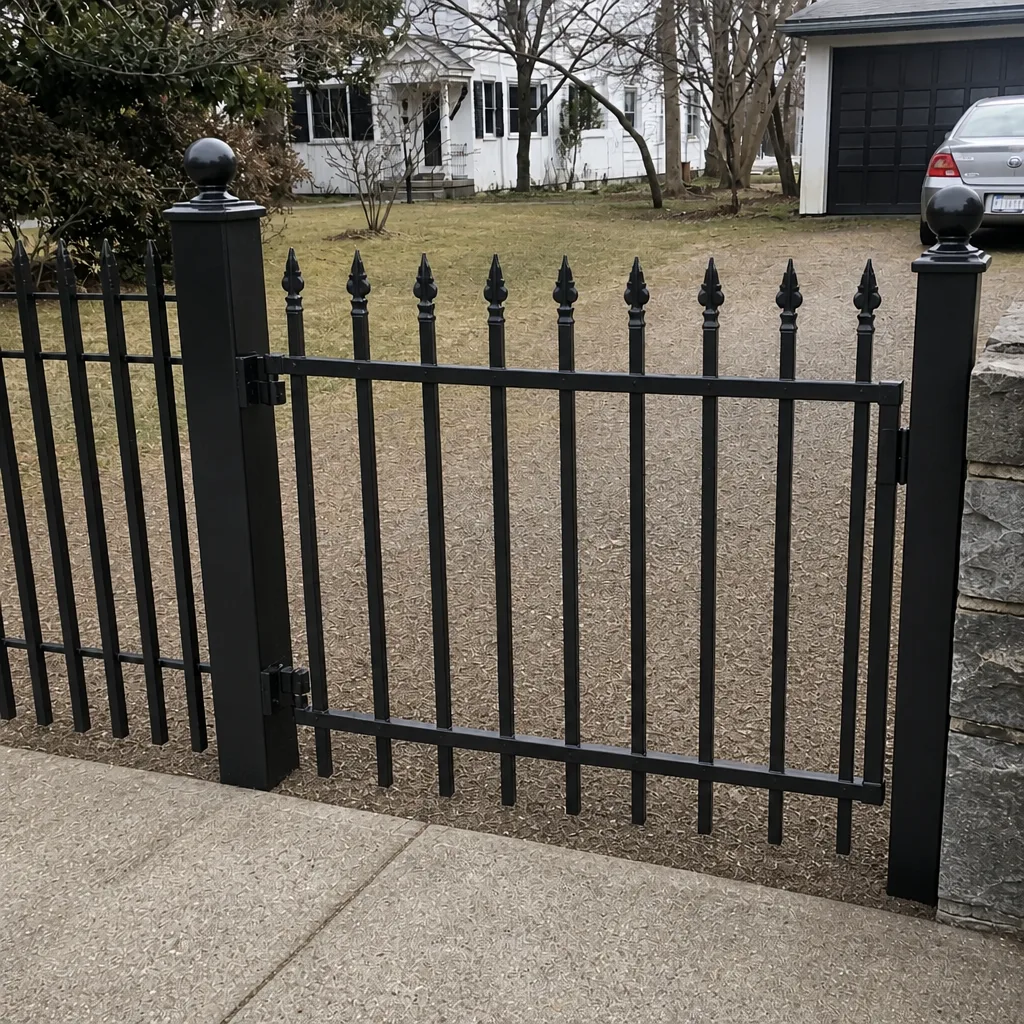 After
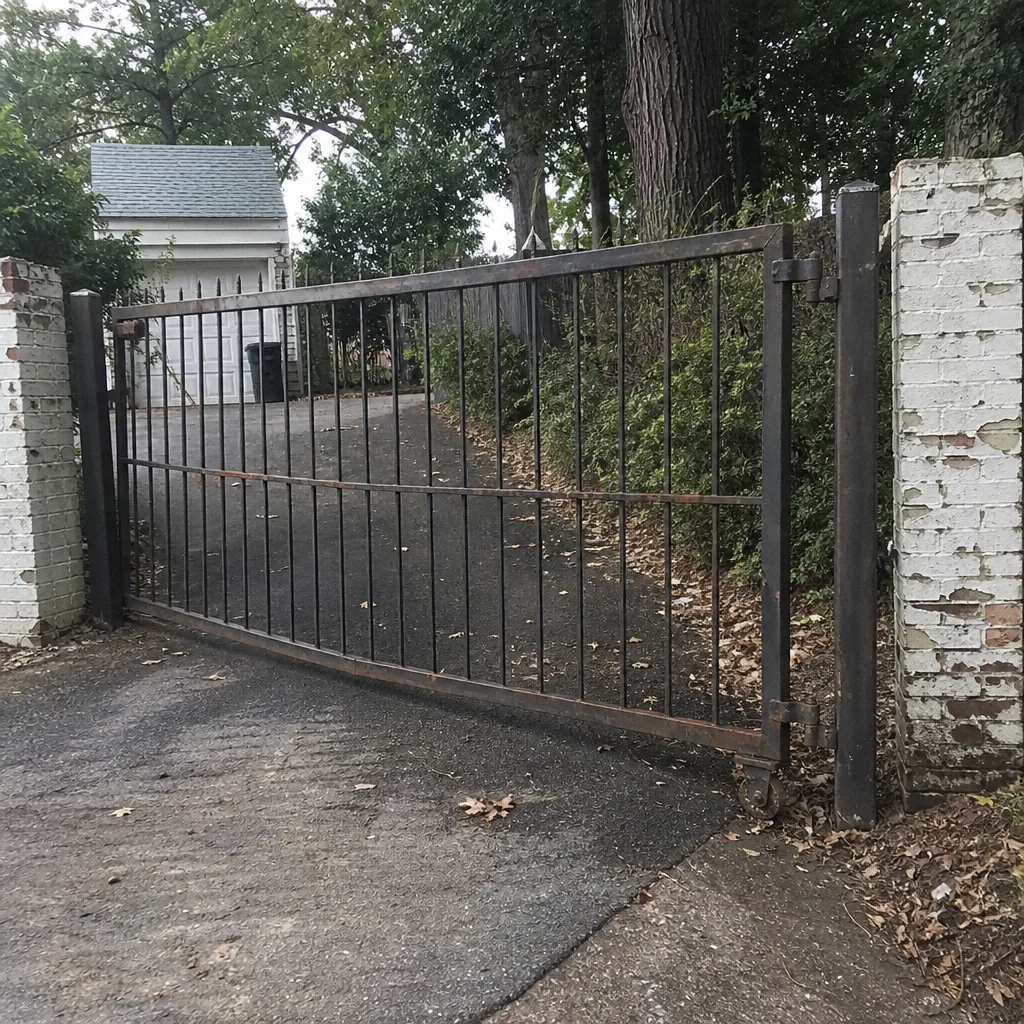 Before
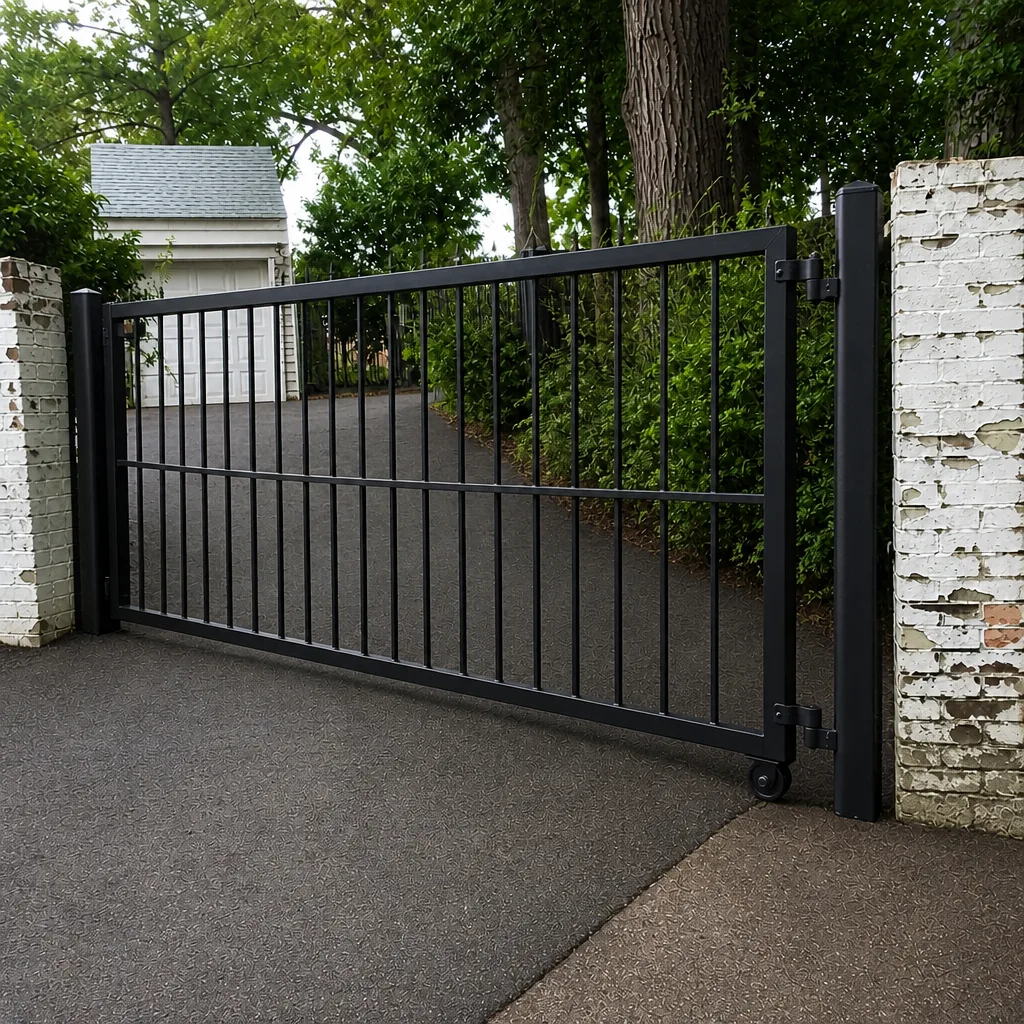 After
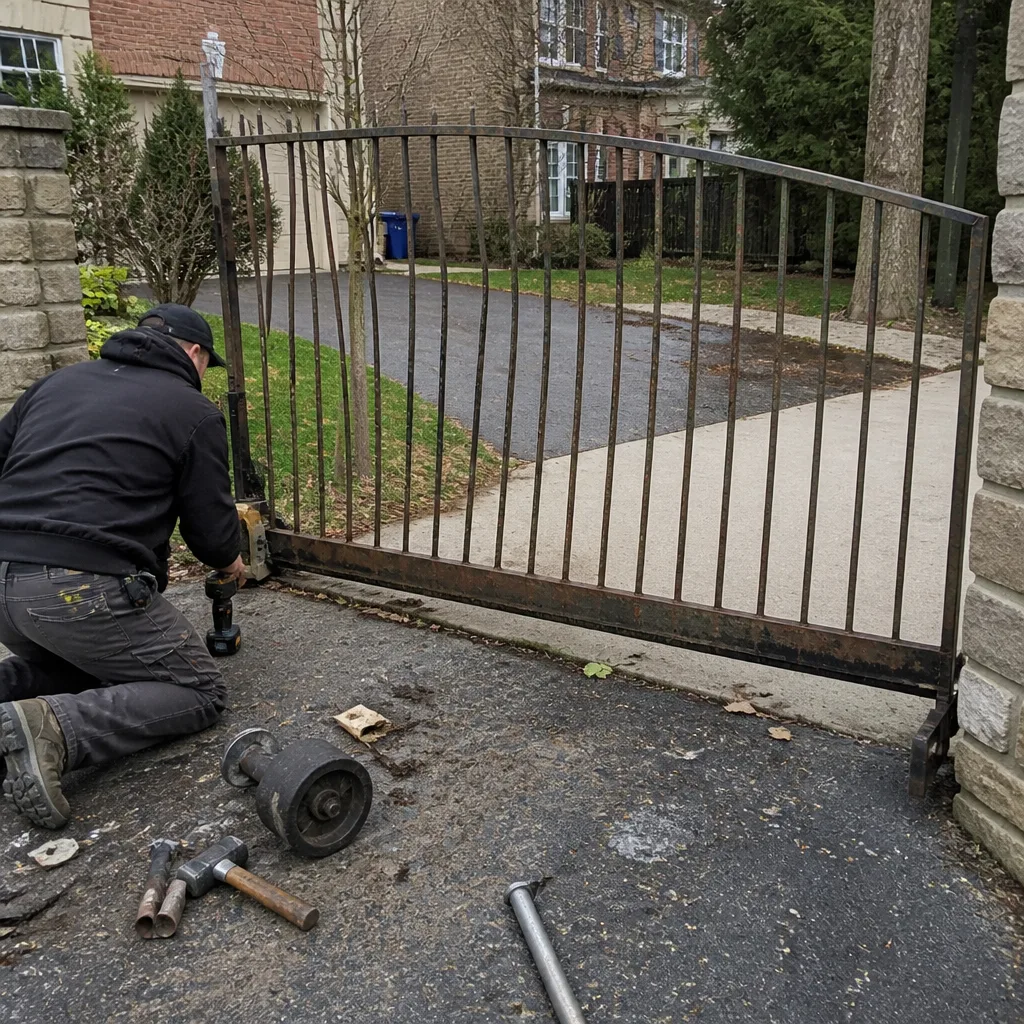 Before
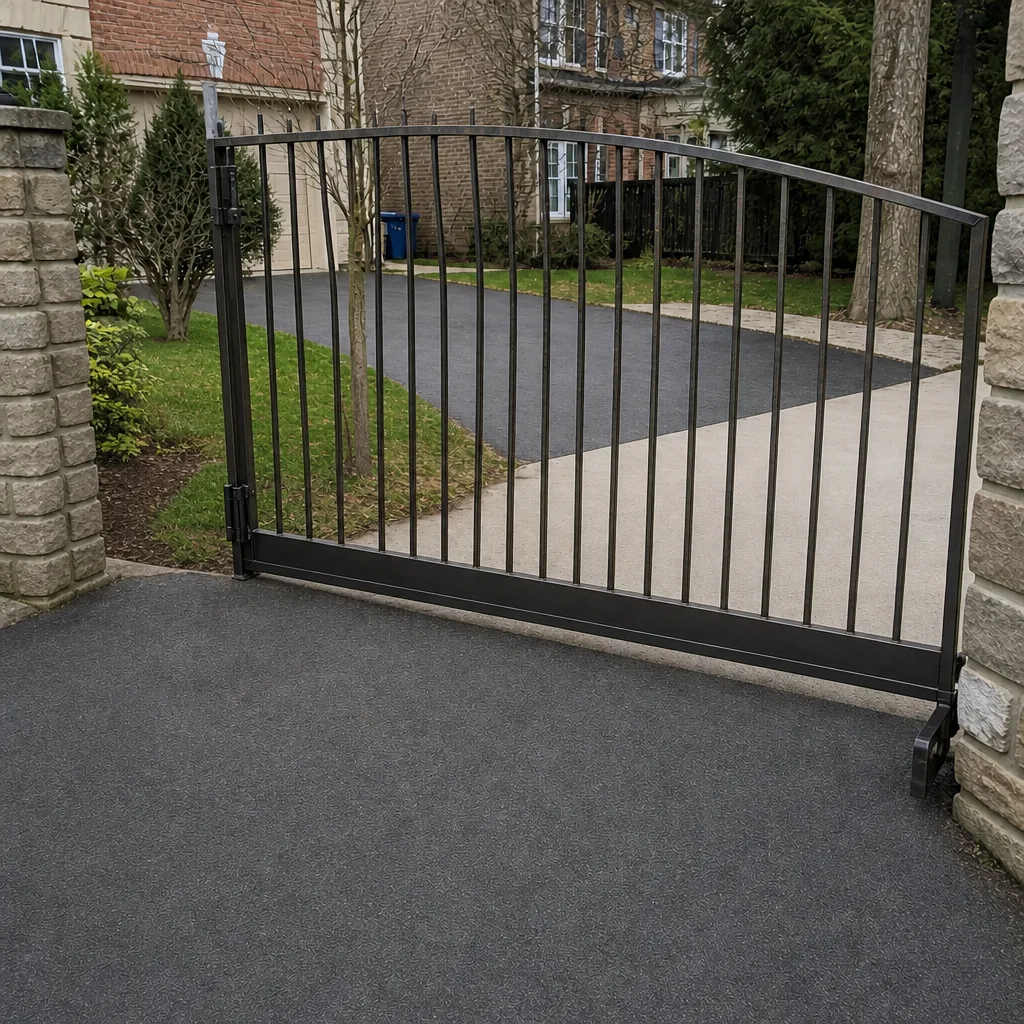 After
Common Mistakes to Avoid
- Accepting a phone quote without identification. A quote given before anyone reads the brand on the operator housing is a guess. Ask what model is on your gate, because the operator class swings the price more than anything else.
- Assuming the motor is the problem. On automated gates the control board, safety devices, and wiring fail independently of the motor, and the board is often the costliest part. Insist the fault is isolated before a motor is replaced.
- Overlooking the footing. A leaning or dragging gate in Arlington is frequently a settled post footing, not a gate or operator fault. Chasing the operator when the concrete has failed means paying twice.
- Skipping the permit question. On a new installation, calling the city’s building department first avoids a stop-work problem later. The permit is the owner’s responsibility to confirm.
- Forgetting the buried wiring. When a keypad, intercom, or loop detector fails on a buried line, trenching is a real cost. Confirm whether the quote covers the dig, not just the part.
- Ignoring the safety devices. A gate operator with bypassed photo-eyes or a missing safety edge is a hazard to people and vehicles. Bringing the safety side back to a working state belongs in the estimate.
- Going straight to replacement on a sound gate. If the frame, posts, and footings are solid, a single repair can buy years. Replacement is the right call only when several systems fail together.
When to Call a Professional
Call a professional when the operator’s wiring or control board is involved, when the gate is heavy enough to crush if it moves unexpectedly, or when a slide gate has come off its track. These are electrical and crush hazards and not a homeowner fix. Call sooner rather than later if the gate won’t reverse on contact with an obstacle, if the footing is visibly shifting, or if you’re facing a repair-versus-replace decision and want a straight answer. Arlington Gate Service offers free estimates in Arlington; call (855) 349-3550. We answer 24/7, with fast dispatch from 7am to 7pm, Sunday through Friday.
Frequently Asked Questions
Gate repair in Arlington ranges from a few hundred dollars for hinge, hardware, or sensor work up to several thousand for operator replacement or post and footing repair on a heavy or commercial-grade gate. The price is driven by operator brand, gate weight and material, and whether the fault is mechanical or electrical. Call (855) 349-3550 for an exact quote; estimates are free.
Yes, brand changes the cost mainly through parts sourcing and control-board architecture. On brands like FAAC, Viking, Linear, and LiftMaster the replacement unit and board cost differently depending on the operator class and distribution. Because we work on nine major brands, a technician prices the right part for the unit actually on your gate rather than a generic swap. Call (855) 349-3550 for a brand-specific estimate.
Same-day repair is often possible for diagnosis and repair work, though installation and operator replacement are measured, ordered, and scheduled work rather than same-day jobs. We answer 24/7, with fast dispatch from 7am to 7pm, Sunday through Friday so we can book you into the next opening. Call (855) 349-3550 to find out what’s available for your gate.
A full gate installation includes the gate and frame, the operator, control board, safety devices such as photo-eyes and a safety edge, and the access hardware like a keypad or loop detector. It also covers the footing work and any trenching for buried wiring. We handle repair and installation under one roof, so a replacement doesn’t need a second vendor. Call (855) 349-3550 to schedule a free estimate.
Yes. We handle the operator’s power path, control board, safety photo-eyes, safety edge, and loop detectors as part of the electrical gate repair work. Those are exactly the components general contractors usually subcontract out, which is why gate specialists are the right call for automated systems. Call (855) 349-3550 for an exact quote; estimates are free.
Repair is almost always cheaper when one system has failed on a structurally sound gate. Replacement makes more sense when several repairs overlap (operator, board, hinges, footing) on an aging or rusting gate, or when the existing operator is under-specified for the gate’s weight and keeps failing. A specialist can tell you the remaining service life of the operator versus the gate. Call (855) 349-3550 to get a straight diagnosis.
The Bottom Line
Gate repair cost in Arlington is driven by failure type, gate weight and material, and operator brand, not by any flat average. Mechanical work sits at the low end; operator and control-board replacement and footing repair sit at the high end. Hidden costs (permits, trenching, concrete, loop detectors, safety devices) are where estimates surprise people, so demand an itemized written estimate with the price quoted and agreed before work starts. A gate specialist isolates the fault on your actual brand and tells you plainly whether to repair or replace. That’s the framework to carry into your first quote.
Ready for a real number on your gate? Call Arlington Gate Service at (855) 349-3550 for a free estimate. We answer 24/7, with fast dispatch from 7am to 7pm, Sunday through Friday. Every price is set per job by a written estimate, quoted and agreed before any work starts.
Written by the team at Arlington Gate Service.