
Last updated November 15, 2026
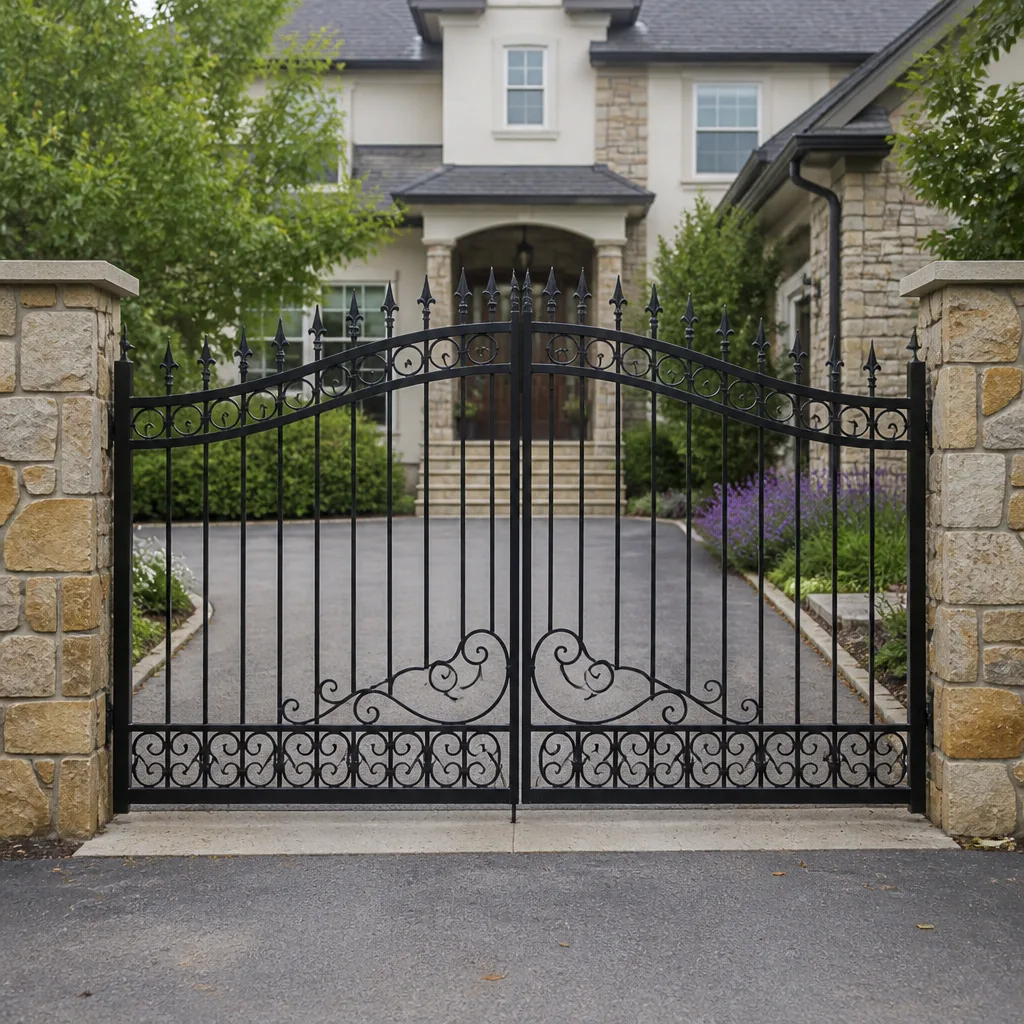 Wrought iron
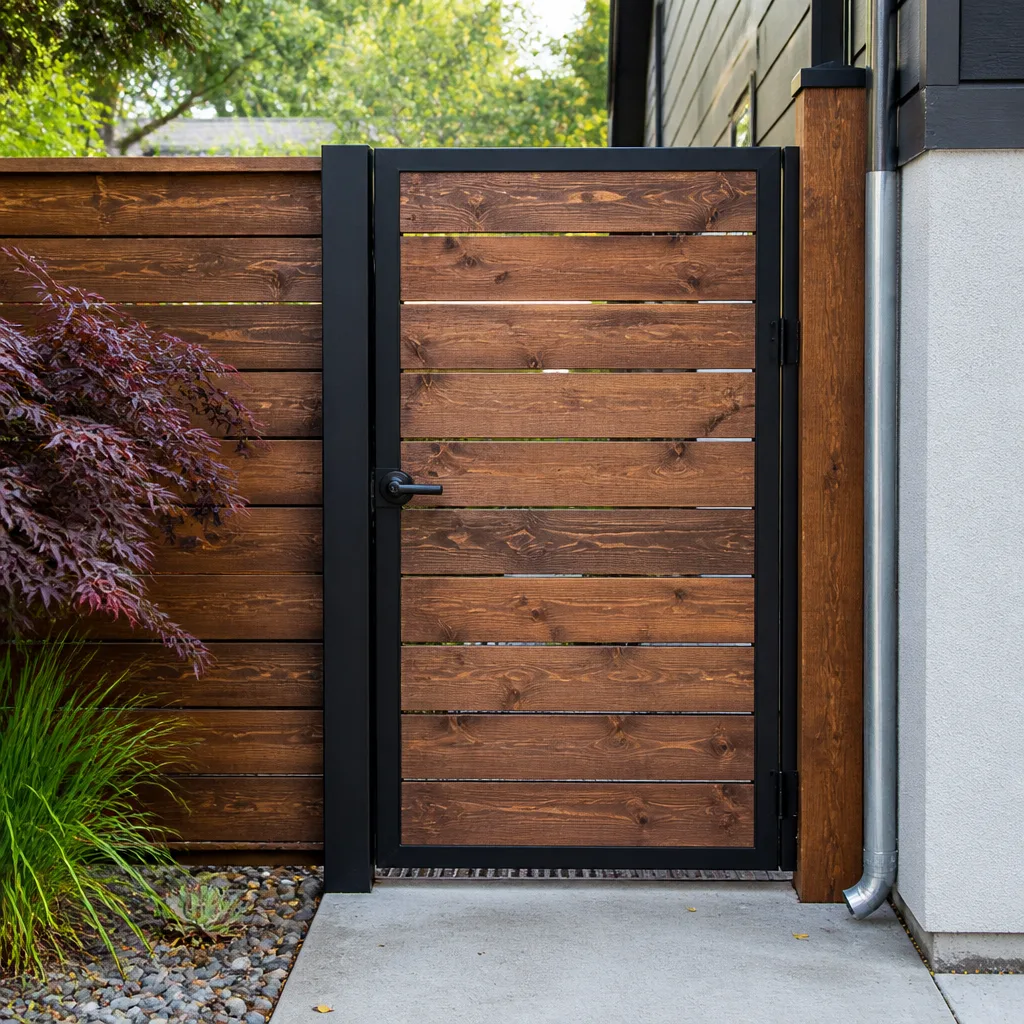 Wood & steel frame
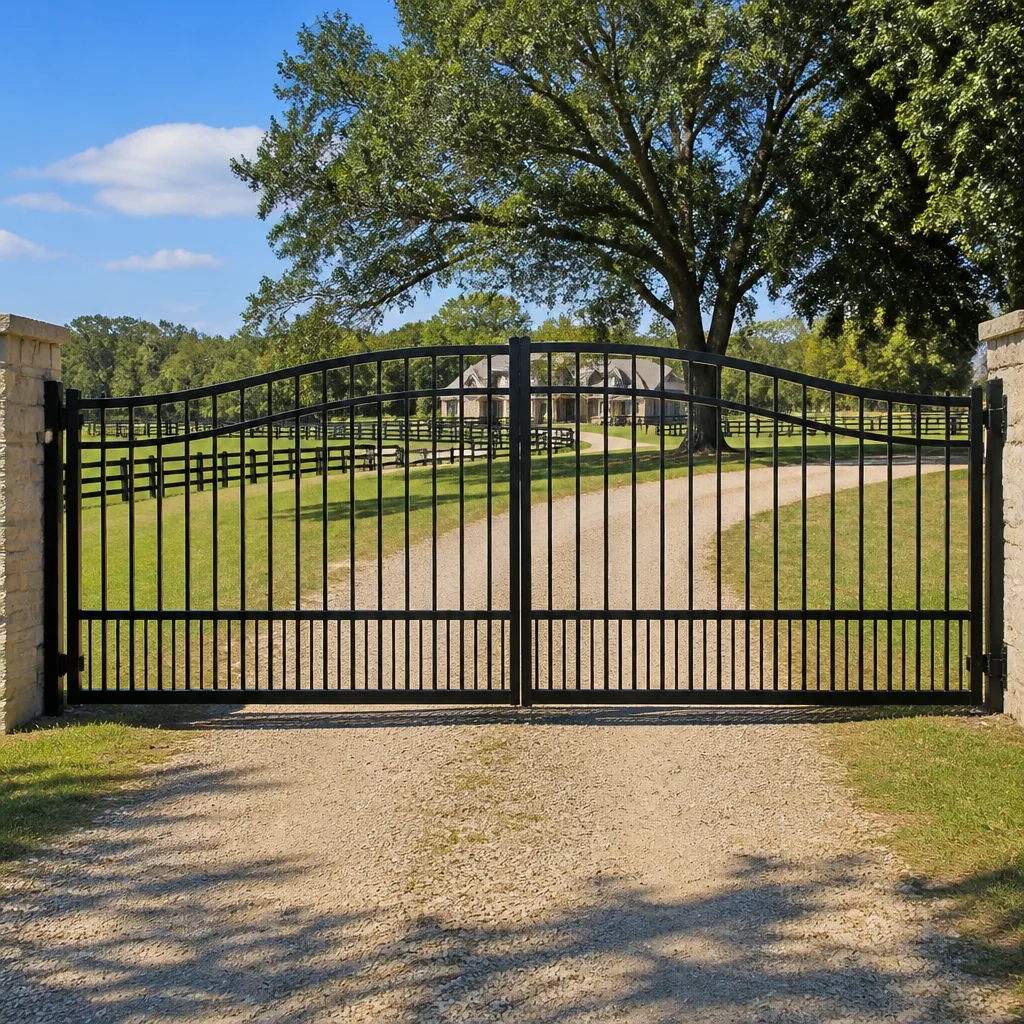 Farm & ranch
 Sliding driveway gates
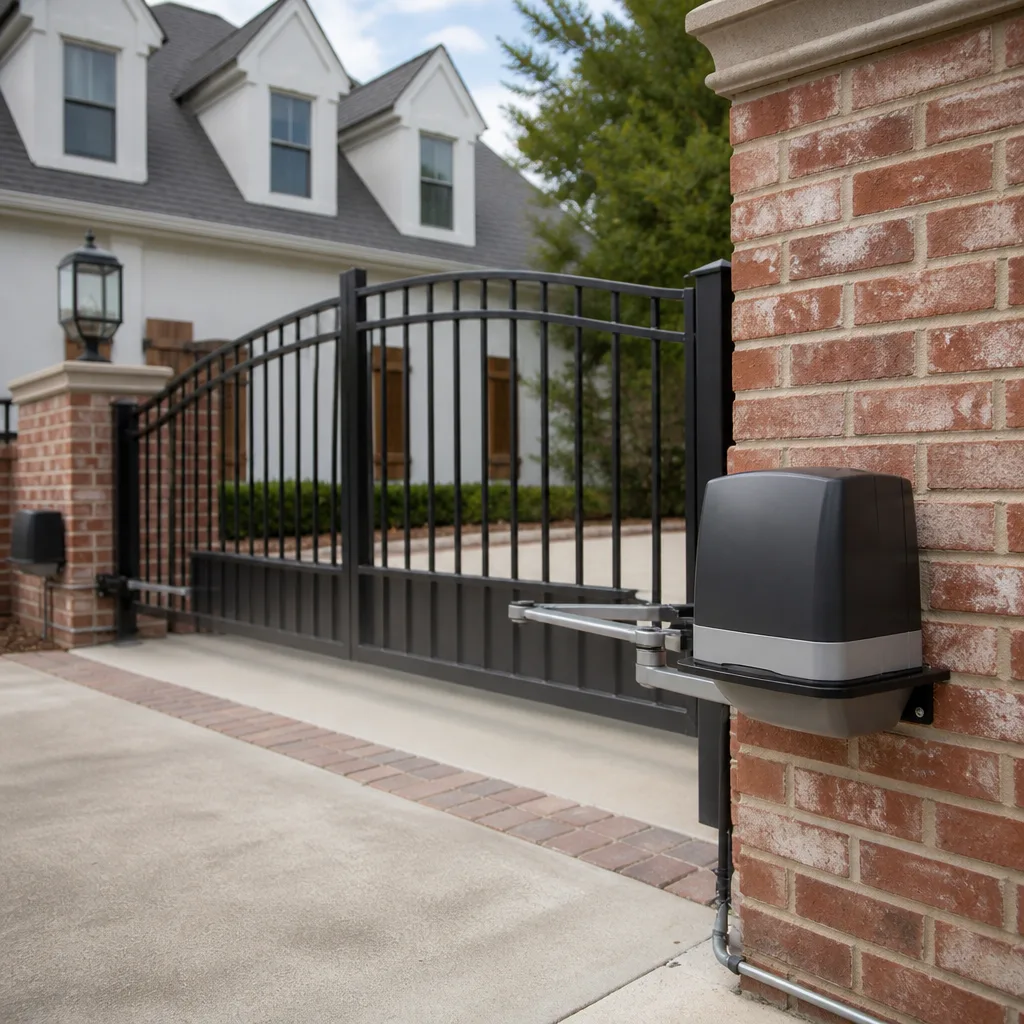 LiftMaster operators
Free on-site gate assessment - hinges, posts, and your LiftMaster or Nice gate operator checked before anything is quoted
The assessment is free and the quote is the invoice.
Get your free estimateGate Repair Permits, Codes & Inspections in Arlington, VA: What You Need to Know
Most people assume a gate is like a fence: you install it, and nobody from the county needs to hear about it. That assumption holds for a simple manual gate on a single-family lot, and it falls apart the moment a motor is involved. In Arlington, automated gates sit at the intersection of building permits, electrical work, and UL 325 entrapment protection, and the county treats them far more seriously than a decorative fence. If a child or vehicle is ever injured by an improperly installed automated gate in Arlington, the first thing an insurance adjuster will ask for is the permit. If there isn’t one, your policy may not cover you, regardless of who did the work. This guide maps exactly when Arlington County requires a permit for gate work, what an inspector actually checks, how the HOA layer fits in, what paperwork a compliant contractor should hand you, and how to fix an unpermitted gate you inherited with a house.
Quick Answer
In Arlington, a new gate installation and any new 120V electrical circuit feeding a gate operator almost always require a building and electrical permit, while repairing an existing electric gate generally doesn’t trigger a new permit unless you’re changing the structure, the wiring, or the operator’s location. Adding automation to a manual gate is the gray area that trips people up: it’s an electrical installation, it changes how the gate performs near people, and a permit is very often required. UL 325 entrapment protection is the safety standard the electrical inspector checks against, though the specifics of any Arlington permit should always be confirmed with the county’s building department before work starts.
Styles & brands we work with
- Wrought iron
- Wood & steel frame
- Farm & ranch
- Sliding driveway gates
- LiftMaster operators
Table of Contents
- When Does Arlington County Require a Permit for Gate Work?
- How UL 325 and Arlington’s Building Code Fit Together
- What an Inspector Actually Checks During a Gate Inspection
- The HOA Layer: A Separate Approval You Can’t Skip
- The Paperwork a Compliant Gate Contractor Should Hand You
- How to Permit a Gate a Previous Owner Installed Without Approval
- Repair, Replacement, or New Build: Different Rules, Different Process
- What’s Different About Gate Work in Arlington
When Does Arlington County Require a Permit for Gate Work?
The clearest way to answer this is to separate three scenarios, because they land in very different places. For a brand-new gate installation, a permit is usually required because you’re erecting a structure on your property, and in many cases pouring footings. For a repair to an existing electric gate, a permit is generally not required if you’re swapping a motor, a control board, or a safety sensor in place and not touching the building’s electrical system. For adding automation to a manual gate, a permit is very often required because you’re introducing an electrical circuit and a motorized operator that didn’t exist before.
The confusion usually starts here: homeowners think of a gate as a fence, and a fence is often exempt from permits under a certain height. A gate with an operator is not a fence. It’s a machine with a motor, a power supply, and safety devices, and that’s what the permit process is really about.
We work on both ends of this. When we visit an Arlington Gate Service call for an automated gate that’s misbehaving, part of the diagnostic is understanding what’s permitted and what isn’t. Here’s a general breakdown of how these three scenarios tend to be treated, but always confirm with Arlington County’s building department for your specific property, since zoning, setbacks, and lot conditions can change the answer:
- New gate installation (manual or automated): permit typically required.
- Repair of an existing electric gate (motor, board, sensor swap in place): permit generally not required.
- Adding automation to a manual gate: electrical permit typically required.
- Replacing a gate operator with the same model in the same location: often treated as a repair, but confirm.
- Changing the operator type or repositioning it: treated more like new install, permit likely.
If you’re unsure which bucket your job falls into, that’s the moment to ask the county rather than guess. The cost of a permit is small compared to the cost of undoing unpermitted work.
How UL 325 and Arlington’s Building Code Fit Together
UL 325 is the safety standard that governs gate operators, and it’s the piece Arlington’s electrical code relies on when it evaluates an automated gate. The standard covers entrapment protection: the ways a gate operator prevents a person from being caught or crushed between the gate and a fixed object. It’s the reason a compliant automated gate has safety edges, photo eyes, or both, and why the operator wiring has specific requirements for the control interface.
In practice, Virginia’s building code adopts the electrical code requirements that reference UL 325, and Arlington’s inspectors apply them at the point of electrical inspection. What that means for you as a homeowner is that the inspector isn’t just checking that the gate opens and closes. They’re checking that the operator’s safety devices are in place, correctly wired, and functional.
The practical implication is that an operator installed without proper entrapment protection can fail inspection even if it works perfectly. That’s a common scenario with older automated gates or DIY installations using a residential-grade operator like a Mighty Mule where a photo eye never got wired in. The gate runs. It just doesn’t run safely.
We work with nine major gate operator brands, including residential-grade systems like Ghost Controls and commercial-grade ones like DoorKing, and the safety devices differ between them. A commercial DoorKing operator and a residential Ghost Controls operator both need entrapment protection, but the wiring and testing are different. Getting that right matters for passing inspection, and it matters more for anyone who walks through the gate.
When in doubt, ask Arlington County’s code office directly. They’ll tell you which code edition they’re applying and what they need to see. Our experience is that a quick call saves a lot of grief later.
What an Inspector Actually Checks During a Gate Inspection
If you’ve never had a gate inspected, this is where the anxiety tends to sit. In our experience, the inspection is thorough but predictable. The inspector is looking for visible, testable evidence that the operator is installed correctly and safely. Here’s the general sequence they follow, and what you should expect:
- Verify the permit and the approved plans. The inspector compares what’s on site to what was submitted on the permit application.
- Look at the electrical supply. Is there a dedicated circuit? Is the wiring run in approved conduit for an exterior installation? Is the operator grounded?
- Test the entrapment protection. Photo eyes get blocked. Safety edges get pressed. The gate must reverse or stop as designed.
- Check the gate’s structural installation. Footings, posts, hinges, and mounting brackets. The gate itself has to support the operator without flexing or shifting.
- Confirm the operator’s listed rating matches the workload. A light-duty residential operator on a heavy commercial gate is a red flag.
- Sign off or issue a correction notice. If anything fails, you get a written list of what needs to change before re-inspection.
The correction notice is where a specialist’s knowledge pays off. A failed inspection usually means a specific fix, not a full redo. Working from the correction notice is far cheaper than re-installing the whole system, and it’s the reason we like having the inspection report in hand before we scope any replacement work.
One more note: if the gate is on a shared driveway or at the entrance to an HOA, there may be more than one inspection involved. That’s the next section.
The HOA Layer: A Separate Approval You Can’t Skip
Arlington has a substantial number of HOAs and condominium associations, and if your gate is on association property or visible from common areas, the HOA approval process runs independently of the county permit. It’s a second, entirely separate gate you have to clear. County permits do not substitute for HOA approval, and HOA approval does not substitute for county permits.
We’ve seen more gate headaches from this layer than from the county. A homeowner gets a permit, installs a compliant automated gate, and then the HOA’s architectural review board tells them the style, height, or finish doesn’t match the community standards. On permitted work. That’s a hard, expensive lesson because the HOA can require removal even if the county signed off.
Here’s how to avoid that:
- Get the HOA’s written approval before you order a gate or submit a permit application.
- Ask specifically whether the association has design standards for automated gates, not just manual ones.
- Find out whether the association has its own insurance or safety requirements beyond the county’s.
- If the gate is shared, get written confirmation from the association on who owns maintenance and who files the permit.
The order matters. HOA first, county second, contractor third. We’ve never seen that order go wrong.
The Paperwork a Compliant Gate Contractor Should Hand You
This is the part most contractors skip, and it’s the part that matters most if you ever sell the house, file an insurance claim, or have to prove compliance. After completing electric gate work, a compliant contractor should leave you with a specific document package. If you don’t get these, ask for them:
- As-built drawings. What was actually installed, where, and how. Not the plan, the as-built reality.
- Operator and safety-device test records. Documented proof that the entrapment protection was tested and passed.
- The permit and final inspection sign-off. The county’s paper that proves the work was inspected and approved.
- The operator’s installation manual and warranty documentation. You want this in a file, not lost in a box.
- A wiring diagram or schematic for the installation. Critical for the next technician who works on the system.
We hand over this package on every installation because it’s the single best protection against future problems. If you’re buying a house with an automated gate, ask for these documents before closing. If the seller can’t produce them, that’s a signal to have the gate inspected by a specialist before you take ownership.
On the repair side, gate repair work usually doesn’t require documentation beyond a receipt, but it’s still worth keeping a record of what was changed and when. The next diagnosis goes faster when the service history is on file.
How to Permit a Gate a Previous Owner Installed Without Approval
This comes up constantly in Arlington real estate transactions. A house is listed with an automated gate, the buyer’s agent asks for permits, and the seller can’t produce them. It’s not necessarily a deal-breaker, but it needs to be addressed, and it’s fixable. Here’s the general path to permit an existing unpermitted automated gate:
- Have a specialist inspect the gate first. Before you talk to the county, have someone who knows gates look at it. You want to know whether the installation is safe and whether it’s likely to pass, because that determines whether you permit it or replace it.
- Pull the property records. Confirm what permits, if any, exist for the gate and the electrical circuit feeding it.
- Contact Arlington County’s building department. Explain the situation. Ask what they need to retroactively permit an existing installation, since the process is different from a new application.
- Bring the installation up to code. Fix anything the inspection identifies: missing entrapment protection, improper wiring, an undersized operator. This is where the specialist knowledge matters.
- File the retroactive permit and schedule the inspection. The county will inspect the corrected installation, and if it passes, you’re compliant.
- Address the HOA separately. Even a retroactively permitted gate still needs HOA approval if it wasn’t given.
We’ve handled plenty of these, and the outcome depends on the state of the installation. A gate that was installed reasonably well but never permitted is a straightforward fix. A gate with undersized footings or a residential operator on a commercial gate is a bigger conversation. Either way, getting it permitted is better than leaving it, because an unpermitted gate is the thing that creates the insurance and liability problem.
Repair, Replacement, or New Build: Different Rules, Different Process
The permit conversation changes depending on which of these three you’re doing, and it’s worth being clear on the differences before you call anyone. We separate electric gate repair from installation in our own workflow because the permit requirements differ so much.
For a repair, the focus is getting the gate working. A motor swap, a control board replacement, a safety sensor that failed, a hinge that’s sagging. These are generally handyman-level permits, which is to say none, because you’re not changing the structure or the electrical system. The exception is if the repair reveals that the underlying installation was never compliant. Then you have a bigger conversation.
For a replacement, if you’re taking out one operator and putting in another of the same type in the same location, some jurisdictions treat it as a repair and some as a new installation. Confirm with Arlington County. If you’re changing the operator type, the capacity, or its position, treat it as a new install and permit it.
For a new build, whether that’s a new gate or a new automated system on an existing manual gate, treat the permit as a required step. Full stop.
The takeaway: repair usually doesn’t need a permit, replacement is ambiguous and depends on the specifics, and new build almost always does. When you’re not sure, call the county. It’s a phone call that saves thousands.
What’s Different About Gate Work in Arlington
If you’ve worked with Arlington properties, you know the gate situations here are varied. The county has a mix of single-family homes, townhouses, and dense multi-unit buildings, and each brings different gate conditions. A single-family driveway gate in a neighborhood off Lee Highway has very different concerns from a multi-unit access gate in a building near Clarendon or a commercial property along the Rosslyn-Ballston corridor.
A few Arlington-specific factors worth knowing:
- Older properties often have older wiring. Many automated gates in the county were installed years ago, and the electrical supply may not meet current standards. That’s a permit problem when it comes up during a sale or a major repair.
- Shared driveways are common. When a gate spans a shared access, the ownership and permit questions get complicated fast. Get written clarity before work starts.
- Multi-unit and commercial gates get scrutinized more. A gate used by multiple residents or customers carries different liability exposure than a single-family gate, and the county treats them accordingly.
- HOA density is high. The HOA approval layer is a real factor in a way it might not be in less developed parts of Virginia.
- Seasonal weather drives wear. The freeze-thaw cycle in Northern Virginia affects gate footings, hinges, and operator enclosures. A gate installed without proper drainage and footing depth shows its weaknesses on a schedule of years, not decades.
We winterize and inspect a lot of gates in Arlington, and the recurring issues are consistent: footings settling, hinges rusting, operator enclosures that weren’t built for the weather swing. Getting these right at installation saves a lot of repair calls later.
Common Mistakes to Avoid
- Assuming a gate is a fence. It’s not. An automated gate is a machine with an electrical supply and safety devices, and treating it like a fence gets you an unpermitted installation with liability exposure.
- Getting HOA approval after the county sign-off. The order is HOA first, county second. Doing it backwards can mean removing a permitted gate because it doesn’t match community standards.
- Skipping the entrapment protection. Photo eyes and safety edges are not optional. An automated gate without entrapment protection can fail inspection and creates a real injury risk, regardless of the brand or the quality of the operator.
- Assuming “it works” means “it’s compliant.” A gate can open and close perfectly and still fail inspection because the safety devices weren’t wired in. In our experience, this is the most common reason a gate that “has always worked” turns out to be a problem during a sale.
- Failing to get the documentation package. As-builts, test records, and the inspection sign-off are your protection. If the contractor doesn’t offer them, ask. If they can’t produce them, that’s a signal.
- Leaving an inherited unpermitted gate alone. It’s fixable, and the process is simpler than people expect. The insurance and liability risk of leaving it far outweighs the cost of permitting.
- Hiring a general contractor for an electric gate. Electrical gate work involves motors, control boards, safety sensors, and access hardware, and it’s the kind of work that gets subcontracted or handled by someone who’s never diagnosed a specific brand. That’s how misdiagnoses happen.
See the difference
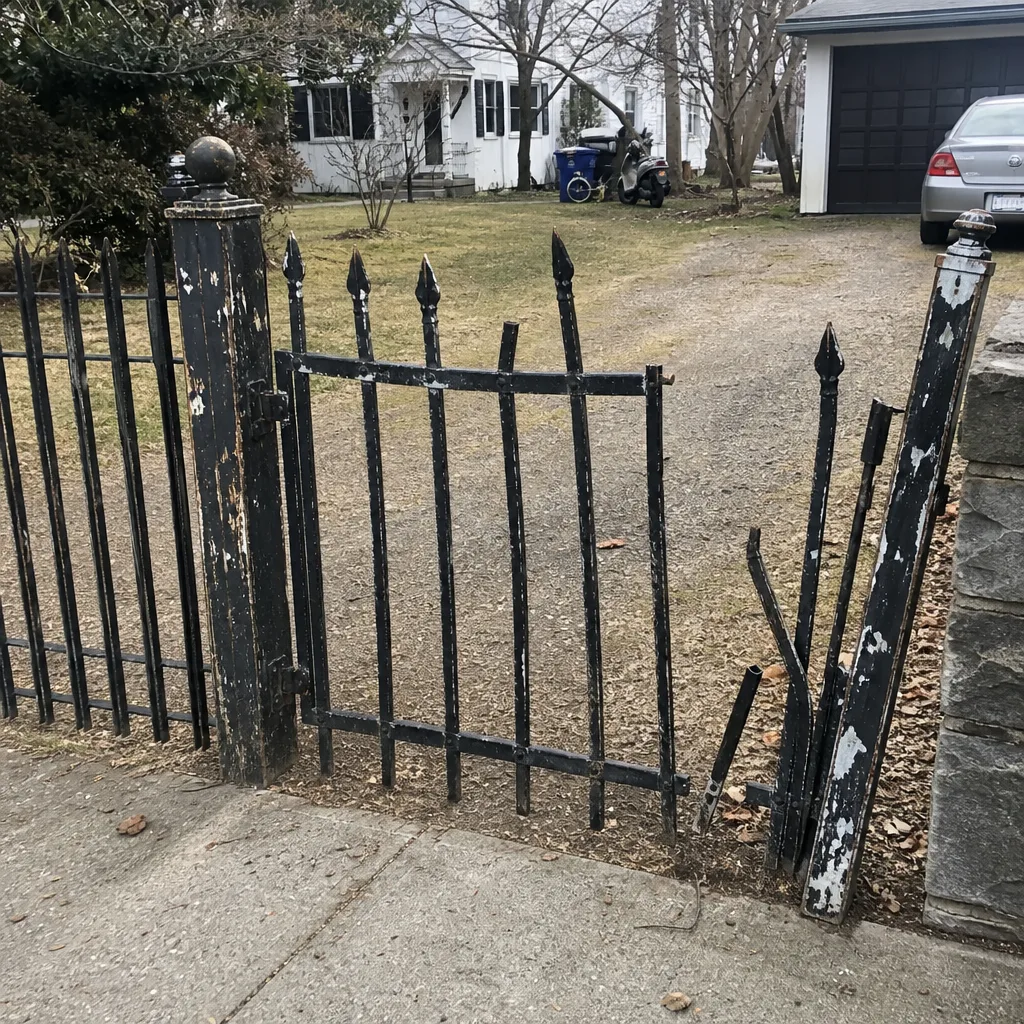 Before
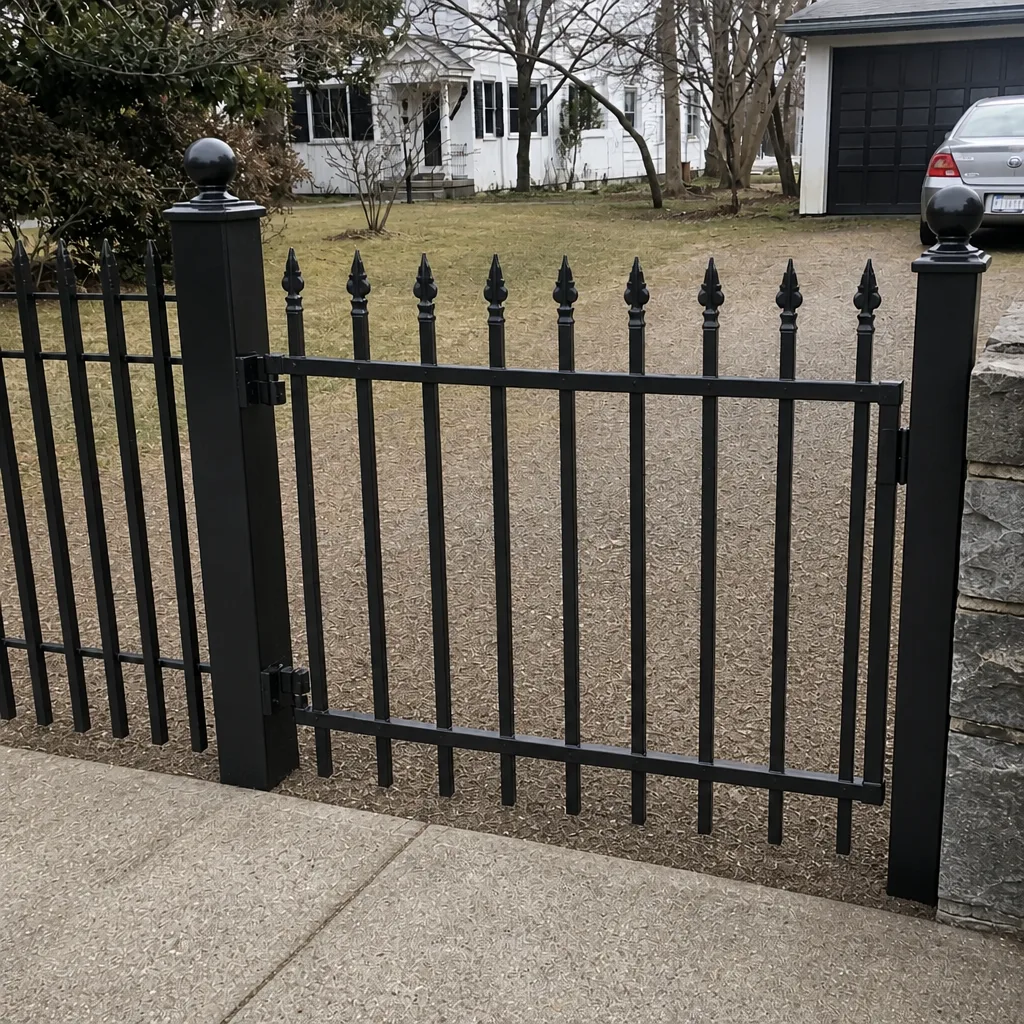 After
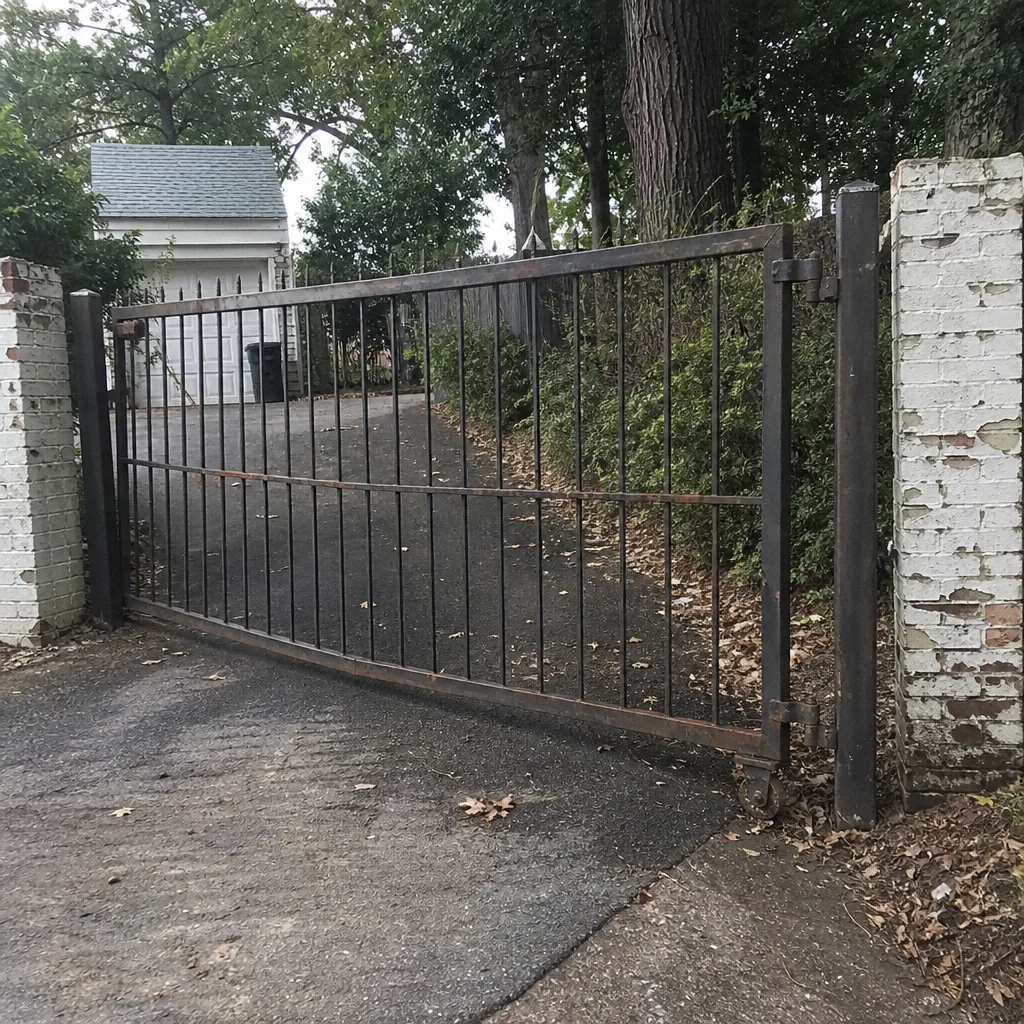 Before
 After
 Before
 After
When to Call a Professional
Some of this you can handle yourself: a phone call to the county about permit requirements, a request to the HOA for written approval, a records check on the property. Where it stops is anything involving the gate’s electrical system, its safety devices, or its structural installation. An operator that won’t reverse on obstruction, a gate that moves out of alignment, a control board that’s behaving erratically, or a safety edge that’s stopped working all need a trained technician, because the risk is injury, not just inconvenience. An unpermitted gate you inherited, a failed inspection, or a gate you’re trying to get compliant before a sale all start with a specialist’s assessment of whether the installation can be brought up to code or needs replacement. Arlington Gate Service offers free estimates in Arlington. Call (855) 349-3550. We answer 24/7. Fast dispatch from 7am to 7pm, Sunday through Friday.
Frequently Asked Questions
Most new automatic gate installations in Arlington require a building and electrical permit. The permit applies because you’re installing a structure with a dedicated electrical supply and safety devices. Confirm with Arlington County’s building department for your specific property before work starts, since zoning and lot conditions can affect the answer.
Usually not, if the repair is an in-place swap of the motor, control board, or safety sensor and doesn’t touch the building’s electrical system. Permit requirements change if you’re changing the operator type, repositioning it, or if the repair reveals the original installation was never compliant. Call us at (855) 349-3550 and we can help you sort out which situation you’re in.
UL 325 is the safety standard that governs gate operators, and it covers entrapment protection: the devices that prevent a person from being caught or crushed by a moving gate. Arlington’s inspectors apply it during the electrical inspection, which is why an operator without functioning photo eyes or safety edges can fail even if the gate works. It matters because it’s the difference between a gate that opens and a gate that’s safe.
Check Arlington County’s property and permit records for the address. If no record exists for the gate or the electrical circuit feeding it, assume it wasn’t permitted and plan to address it. If you’re buying the property, ask the seller for the permit and inspection sign-off before closing. Call (855) 349-3550 if you’d like a specialist to inspect the gate and tell you what you’re dealing with.
Yes. The process involves having a specialist inspect the gate, correcting anything that doesn’t meet code, and filing a retroactive permit with Arlington County. The county then inspects the corrected installation. It’s a common situation, especially in real estate transactions, and it’s usually fixable.
No. HOA approval and county permits are two separate requirements, and you need both. The HOA can require removal of a gate that’s permitted by the county but doesn’t match community design standards. Get HOA approval first, then file the county permit.
The Bottom Line
A gate is a structure with a motor, not a fence, and Arlington County treats automated gates as a permit-and-inspection matter. Repair is usually straightforward and doesn’t need a permit; new installation and adding automation to a manual gate almost always do. The HOA layer runs separately and can force removal even on permitted work, so HOA first, county second. Get as-built drawings, test records, and the inspection sign-off after any electric gate work, because those documents are your protection if you ever sell, file a claim, or face a liability question. If you inherited an unpermitted gate, it’s fixable. And if the gate’s electrical system or safety devices are in question, call a specialist, because that’s where the risk lives.
Arlington Gate Service offers free estimates for gate repair, electric gate repair, and full gate installation in Arlington. Whether you need a new gate permitted, an existing system brought up to code, or a diagnosis of what your gate actually needs, call (855) 349-3550. We answer 24/7. Fast dispatch from 7am to 7pm, Sunday through Friday. Our technicians have up to 10 years of experience, and we work on your brand, from Mighty Mule and Ghost Controls on the residential side to DoorKing and Elite on the commercial side. Gate specialists, not generalists.
Written by the team at Arlington Gate Service.